
Addiction Recovery Resources

With drug addiction and alcoholism being rampant in our country you would think finding addiction recovery resources would be easy. It is not as easy as I found out. I was in addiction recovery for 12 years when one of my loved ones informed me they needed addiction treatment. First I was clueless they
Traveling to Treatment Pros and Cons

Benefits of Traveling to Treatment When you know it’s time to find the best addiction treatment you need to look at the pros and cons of traveling to treatment. One of the most important things to consider when a person seeks treatment for substance abuse is that traveling to treatment can significantly increase a
7 Warning Signs of Alcoholism

Alcoholism, or alcohol use disorder, affects 6.2% of the U.S. adult population, or approximately some 15.1 million people over the age of 18. Alcohol is the most commonly accepted intoxicating substance in the world, despite being one of the most common causes of preventable death. Alcohol use disorder is characterized by an inability to
What Does Meth Do to Your Brain?
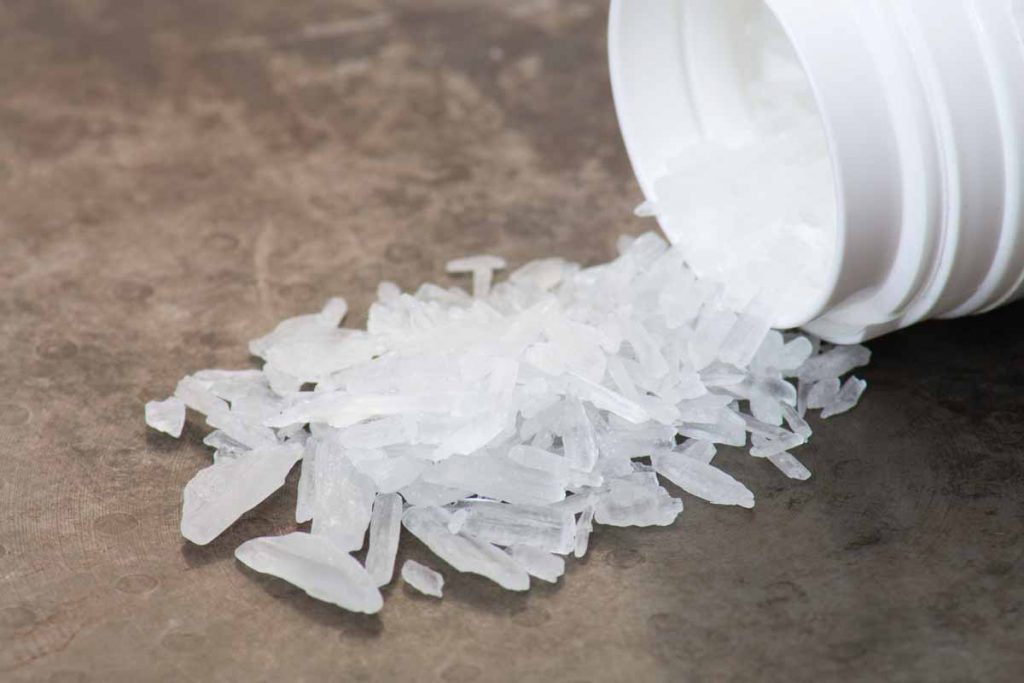
Meth, or methamphetamine, is a central nervous system stimulant used for recreation, stimulation, and even weight loss. Methamphetamine is closely related to amphetamines, which are distributed as medical drugs in the form of Adderall and similar medications but is considered too strong and too addictive for medical use. Methamphetamine is a Schedule II drug,
The Stages of Alcoholism

The National Institute on Drug Abuse and Alcoholism estimates that some 14.1 million U.S. adults struggle with an alcohol use disorder. AUD, commonly known as alcoholism, is characterized by compulsively seeking alcohol despite negative impacts to health, social life, and career or finances. Alcoholism is one of the third leading causes of preventable death
What is PCP?

Phencyclidine or PCP is a popular recreational drug, known for its dissociative, hallucinogenic, and euphoric effects. The drug is a schedule II drug in the United States but is still popular as a street drug. In fact, some estimates suggest that as many as 2.9% of adults over age 25 have had the drug
What Are Process Addictions?

Process addictions, also known as behavioral addictions, are one of the most-common forms of addiction, affecting millions of people worldwide. While behavioral addictions have often been seen as less-than or a lower class of addiction than substance addictions, evidence increasingly points to the fact that these addictions are heavily linked and often harmful on
The Best Addiction Recovery Podcasts

Recovering from addiction of any kind is a process that we live each day on an ongoing basis, seeking consistent improvement daily. Recovery is a way of life, not something you do once and forget about. Immersing yourself in your recovery, surrounding yourself with information and help and positive stories, and constantly learning to
Losing a Loved One to Addiction – How to Cope

No matter what your relationship, losing a loved one is a terrible and traumatic event. Losing your loved one to a disorder such as addiction may make that process worse and may add to your own trauma. People who survive their addicted loved ones may feel pressured by grief, stigma, and blame and may
Why Understanding Dopamine is Crucial to Treating Opioid Addiction
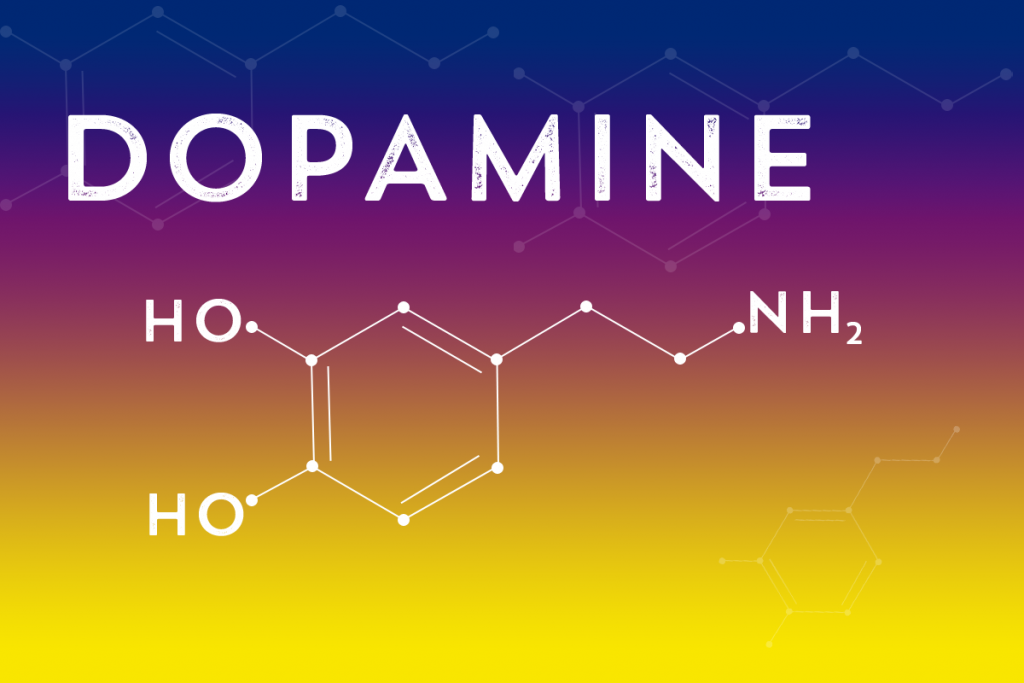
More than 20 million people in the United States struggle with opioid addiction. Drugs like heroin, fentanyl, and methadone contribute to a problem that kills more than 130 Americans each day. Yet, less than 11% of addicts will ever go on to seek help and attempt to recover from opioid addiction for the long-term.