
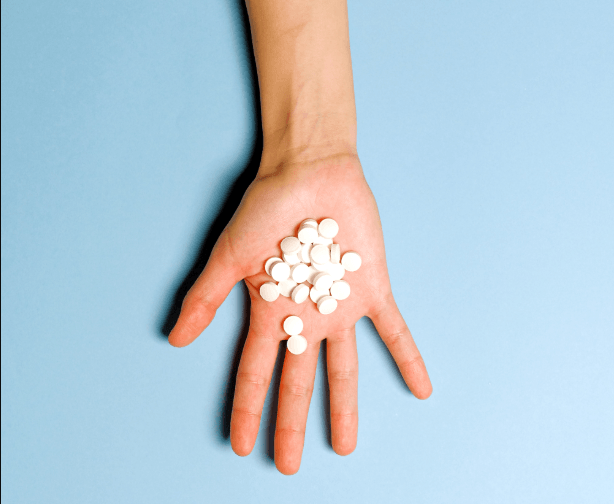

Vicodin addiction and abuse are more common than you might think. Vicodin is a highly addictive prescription medication and addiction to it can be lethal. Science Direct reports that the majority of Vicodin addiction begins as a prescription. This makes it particularly dangerous. And when trying to quit, the withdrawal symptoms of Vicodin can be life threatening. You can call us 24/7 with any questions you have regarding Vicodin addiction, withdrawal symptoms, and treatment options.
What is Vicodin?
Vicodin is a narcotic prescription medication that contains both Hydrocodone and Acetaminophen. Knoll pharmaceuticals first released Vicodin as a brand-name narcotic in 1978. The main ingredient, Hydrocodone is a powerful semi-synthetic Opioid used to treat moderate to severe pain. Vicodin is commonly prescribed after medical surgeries, car accidents, and Cancer. Similar to other Opioid prescription medications such as Oxycontin and Percocet, Vicodin dependence can occur as tolerance increases.
Causes of Vicodin Addiction
The ingredient Hydrocodone within Vicodin is the primary cause for Vicodin addiction to occur. As you may have been prescribed Vicodin to deal with pain for various reasons, it’s meant to be a short term prescription. The longer you use Vicodin, the higher your tolerance becomes and dependence and habits begin to form. Opioids like Hydrocodone are both physically and mentally addictive. The U.S. National Library of Medicine reports that Opioids change the chemistry in your brain. When misused, Vicodin can produce euphoric feelings of pleasure and pain relief. Opioids are so powerful, that they can even make you perceive your pain differently. The American College of Clinical Pharmacy shares that “chronic use of addictive drugs may affect the processing of pain stimuli through sympathetic stimulation, hypothalamic-pituitary-adrenal axis dysregulation, and opioid tolerance.”
Is it Easy to Get Vicodin?
As previously stated, Dr’s prescribe Vicodin for pain. In 2014 in response to hydrocodone based drugs elevated rate of abuse the Drug Enforcement Agency increased Vicodin to a Schedule II controlled substance. As quoted by the DEA, “Schedule II drugs, substances, or chemicals are defined as drugs with a high potential for abuse, with use potentially leading to severe psychological or physical dependence. These drugs are also considered dangerous.” The restrictions were increased in order to protect citizens who are using Vicodin from abuse and addiction. Dr’s are reluctant to refill Vicodin prescriptions once they believe patients are abusing their prescriptions. When Dr’s decline to refill prescriptions, people addicted to Vicodin start turning to illegally sold drugs on the street.
Vicodin Addiction Signs and Symptoms
Vicodin addiction signs and symptoms of abuse are closely related to other prescription Opioid medications . If you believe your own Vicodin use or someone you care about is abusing them, you can always reach out to us for advice on Vicodin addiction and treatment options. As a painkiller, we see Vicodin abuse and dependence occur frequently. Vicodin is commonly abused because of the strong aforementioned euphoric effects that it has after the effects kick in. Vicodin can particularly be lethal when combined with other drugs like alcohol.
Common Vicodin Addiction Signs:
- Mood symptoms:
- Anxiety
- Mood swings
- Depression
- Anxiety
- Behavioral symptoms:
- Memory Loss
- Illegally buying Vicodin
- Forging prescriptions
- Stealing money or Vicodin from others
- Physical Symptoms:
- Focus Issues
- Weakness in muscles
- Dizziness
- Slowed heartbeat
- Drowsiness/tiredness
- Nausea or vomiting
- Seizures
- Migraines
- Constipation
Vicodin Overdose Signs: What to Do
Overdosing on Vicodin and withdrawal symptoms are both complications that are life threatening. Witnessing someone overdose on Vicodin or any drug is a terrifying experience. We want you to feel encouraged that you have rights if you are using with someone and they overdose. The Good Samaritan Law was passed in 2017 in 40 states to not hold you accountable if you reach out for help. Please call 911 as fast as possible. It can save their life.
Common Vicodin Overdose Signs:
- Loss of consciousness
- Unresponsive to outside stimulus
- Awake, but unable to talk
- Breathing is very slow and shallow, erratic, or has stopped
- For lighter skinned people, the skin tone turns bluish purple, for darker skinned people, it turns grayish or ashen.
- Choking sounds, or a snore-like gurgling noise (sometimes called the “death rattle”)
- Vomiting
- Body is very limp
- Face is very pale or clammy
- Fingernails and lips turn blue or purplish black
- Pulse (heartbeat) is slow, erratic, or not there at all
Vicodin Withdrawal Symptoms
Vicodin withdrawal symptoms can be extremely painful if not overseen by a licensed Vicodin addiction treatment center. Like other opioids, initial withdrawal symptoms from Vicodin can begin as early as 24-48 hours after the last time you have taken it. Because Vicodin detox and Opioid detoxing in general can be so painful, it is nearly never successful when trying to quit cold turkey by yourself or at home. A Licensed treatment center like Beginnings Treatment Centers can offer medical guidance as well as medications to ease the painful withdrawal symptoms so that you are as comfortable as possible during this process. Vicodin withdrawal symptoms can typically last up to 7-10 days and have some lingering effects afterwards.
Finding Vicodin Addiction Treatment
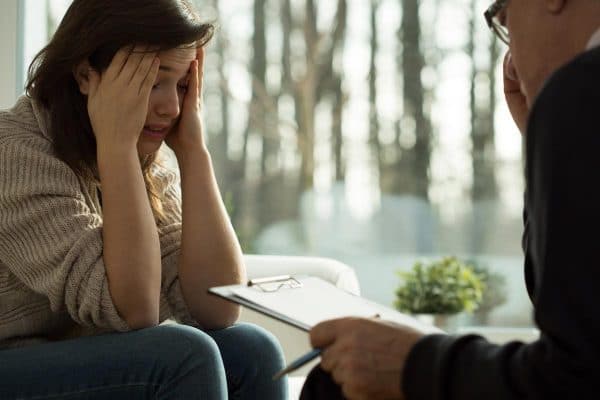
With so many Vicodin detox and addiction treatment centers nationwide, it’s important to find the best treatment center to not only treat the addiction but any underlying mental health issues that may also exist. This may not always mean finding the closest treatment center to you, but traveling for treatment just may be the best option. Search for treatment centers that have a proven track record of treating Vicodin addiction, have a highly credentialed staff, a complete understanding of underlying mental health issues that encourage drug abuse(Dual Diagnosis), and are able to provide long-term support to both the individual and the family.
Call us today or click the live chat option to speak with one of our Vicodin addiction treatment specialists to learn if we are the right center for you!
Please contact Beginnings Treatment Centers today for an honest talk about our treatment programs with one of our experienced and professional addiction treatment team. Your recovery matters and we’re here to help.