

Call Now

(949) 867-6770

Vicodin Addiction: Signs and What to do

Vicodin addiction

Allyson Pelletier LMFT

This content has been medically reviewed by Allyson Pelletier.

A handful of pills

Vicodin addiction and abuse are more common than you might think. Vicodin is a highly addictive prescription medication and addiction to it can be lethal. Science Direct reports that the majority of Vicodin addiction begins as a prescription. This makes it particularly dangerous. And when trying to quit, the withdrawal symptoms of Vicodin can be life threatening. You can call us 24/7 with any questions you have regarding Vicodin addiction, withdrawal symptoms, and treatment options.

What is Vicodin?

Vicodin is a narcotic prescription medication that contains both Hydrocodone and Acetaminophen. Knoll pharmaceuticals first released Vicodin as a brand-name narcotic in 1978. The main ingredient, Hydrocodone is a powerful semi-synthetic Opioid used to treat moderate to severe pain. Vicodin is commonly prescribed after medical surgeries, car accidents, and Cancer. Similar to other Opioid prescription medications such as Oxycontin and Percocet, Vicodin dependence can occur as tolerance increases.

Causes of Vicodin Addiction

The ingredient Hydrocodone within Vicodin is the primary cause for Vicodin addiction to occur. As you may have been prescribed Vicodin to deal with pain for various reasons, it’s meant to be a short term prescription. The longer you use Vicodin, the higher your tolerance becomes and dependence and habits begin to form. Opioids like Hydrocodone are both physically and mentally addictive. The U.S. National Library of Medicine reports that Opioids change the chemistry in your brain. When misused, Vicodin can produce euphoric feelings of pleasure and pain relief. Opioids are so powerful, that they can even make you perceive your pain differently. The American College of Clinical Pharmacy shares that “chronic use of addictive drugs may affect the processing of pain stimuli through sympathetic stimulation, hypothalamic-pituitary-adrenal axis dysregulation, and opioid tolerance.”

Is it Easy to Get Vicodin?

As previously stated, Dr’s prescribe Vicodin for pain. In 2014 in response to hydrocodone based drugs elevated rate of abuse the Drug Enforcement Agency increased Vicodin to a Schedule II controlled substance. As quoted by the DEA, “Schedule II drugs, substances, or chemicals are defined as drugs with a high potential for abuse, with use potentially leading to severe psychological or physical dependence. These drugs are also considered dangerous.” The restrictions were increased in order to protect citizens who are using Vicodin from abuse and addiction. Dr’s are reluctant to refill Vicodin prescriptions once they believe patients are abusing their prescriptions. When Dr’s decline to refill prescriptions, people addicted to Vicodin start turning to illegally sold drugs on the street.

Vicodin Addiction Signs and Symptoms

Vicodin addiction signs and symptoms of abuse are closely related to other prescription Opioid medications . If you believe your own Vicodin use or someone you care about is abusing them, you can always reach out to us for advice on Vicodin addiction and treatment options. As a painkiller, we see Vicodin abuse and dependence occur frequently. Vicodin is commonly abused because of the strong aforementioned euphoric effects that it has after the effects kick in. Vicodin can particularly be lethal when combined with other drugs like alcohol.

Common Vicodin Addiction Signs:

  • Mood symptoms:
    • Anxiety
    • Mood swings
    • Depression
    • Anxiety
  • Behavioral symptoms:
    • Memory Loss
    • Illegally buying Vicodin
    • Forging prescriptions
    • Stealing money or Vicodin from others
  • Physical Symptoms:
    • Focus Issues
    • Weakness in muscles
    • Dizziness
    • Slowed heartbeat
    • Drowsiness/tiredness
    • Nausea or vomiting
    • Seizures
    • Migraines
    • Constipation

Vicodin Overdose Signs: What to Do

Overdosing on Vicodin and withdrawal symptoms are both complications that are life threatening. Witnessing someone overdose on Vicodin or any drug is a terrifying experience. We want you to feel encouraged that you have rights if you are using with someone and they overdose. The Good Samaritan Law was passed in 2017 in 40 states to not hold you accountable if you reach out for help. Please call 911 as fast as possible. It can save their life.

Common Vicodin Overdose Signs:

  • Loss of consciousness
  • Unresponsive to outside stimulus
  • Awake, but unable to talk
  • Breathing is very slow and shallow, erratic, or has stopped
  • For lighter skinned people, the skin tone turns bluish purple, for darker skinned people, it turns grayish or ashen.
  • Choking sounds, or a snore-like gurgling noise (sometimes called the “death rattle”)
  • Vomiting
  • Body is very limp
  • Face is very pale or clammy
  • Fingernails and lips turn blue or purplish black
  • Pulse (heartbeat) is slow, erratic, or not there at all

https://harmreduction.org/issues/overdose-prevention/overview/overdose-basics/recognizing-opioid-overdose/

Vicodin Withdrawal Symptoms

Vicodin withdrawal symptoms can be extremely painful if not overseen by a licensed Vicodin addiction treatment center. Like other opioids, initial withdrawal symptoms from Vicodin can begin as early as 24-48 hours after the last time you have taken it. Because Vicodin detox and Opioid detoxing in general can be so painful, it is nearly never successful when trying to quit cold turkey by yourself or at home. A Licensed treatment center like Beginnings Treatment Centers can offer medical guidance as well as medications to ease the painful withdrawal symptoms so that you are as comfortable as possible during this process. Vicodin withdrawal symptoms can typically last up to 7-10 days and have some lingering effects afterwards.

Finding Vicodin Addiction Treatment
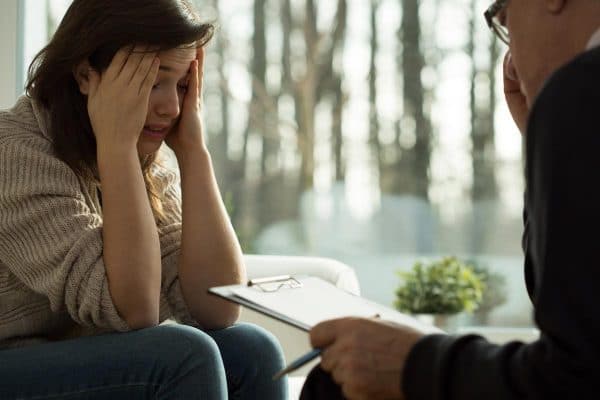
Woman crying while talking to her drug rehabilitation doctor

With so many Vicodin detox and addiction treatment centers nationwide, it’s important to find the best treatment center to not only treat the addiction but any underlying mental health issues that may also exist. This may not always mean finding the closest treatment center to you, but traveling for treatment just may be the best option. Search for treatment centers that have a proven track record of treating Vicodin addiction, have a highly credentialed staff, a complete understanding of underlying mental health issues that encourage drug abuse(Dual Diagnosis), and are able to provide long-term support to both the individual and the family.

Call us today or click the live chat option to speak with one of our Vicodin addiction treatment specialists to learn if we are the right center for you!

Please contact Beginnings Treatment Centers today for an honest talk about our treatment programs with one of our experienced and professional addiction treatment team. Your recovery matters and we’re here to help.

Frequently Asked Questions about Vicodin

Vicodin addiction treatment is a structured plan to help someone stop using Vicodin (hydrocodone/acetaminophen), manage withdrawal symptoms, reduce cravings, and build skills to prevent relapse. Treatment often includes a medical assessment, detox support if needed, therapy, and a long-term recovery plan that may include medication and support groups.
You may need treatment if you take more than prescribed, run out early, or “need” it to feel normal; have strong cravings; feel sick or anxious when you stop; keep using despite problems; or tried to quit but couldn’t stay stopped. A professional assessment can confirm opioid use disorder and recommend the right level of care.
Withdrawal can include body aches, sweating, chills, nausea, diarrhea, insomnia, anxiety, irritability, and strong cravings. Symptoms often start within 6–12 hours after the last dose, peak around 2–3 days, and improve over 5–10 days—though sleep issues and cravings can last longer. A medically supervised detox can make withdrawal safer and more manageable.
It can be risky. While opioid withdrawal is often not life-threatening, it can cause severe dehydration from vomiting/diarrhea, spikes in blood pressure, worsening mental health symptoms, and a high relapse risk. The biggest danger is overdose after relapse, because tolerance drops quickly. A supervised taper or detox plan is usually safer.
The most effective care usually combines medication for opioid use disorder (MOUD) like buprenorphine (Suboxone), methadone, or naltrexone; evidence-based therapy (CBT, motivational interviewing, trauma-informed care); the right level of structure (outpatient, IOP, or residential); and a relapse-prevention plan with ongoing support.
MOUD (sometimes called MAT) uses medications that stabilize brain chemistry, reduce cravings, and lower overdose risk. It’s not simply “replacing” Vicodin—these medications are prescribed at therapeutic doses and monitored medically. Many studies show MOUD improves recovery outcomes and reduces overdose deaths compared to no medication.
Not always. Some people can start treatment without a standalone detox, especially if they begin buprenorphine under medical guidance. Others may benefit from supervised detox if they have heavy use, past withdrawal complications, or co-occurring medical/mental health needs. A provider can recommend what’s safest.
It depends on severity, safety, relapse history, and support at home. Outpatient can fit mild/moderate cases with a stable home. IOP is often best when more structure is needed with multiple sessions per week. Residential/inpatient may be appropriate for severe addiction, unstable environments, repeated relapse, or complex mental health needs.
Pain can be treated without fueling addiction through non-opioid medications, physical therapy, anti-inflammatory strategies, nerve pain options, behavioral pain therapy (CBT for pain), mindfulness, and coordinated care with a pain specialist. A good plan addresses both pain control and relapse risk.
Relapse prevention usually includes identifying triggers (stress, pain flare-ups, certain people/places), building coping skills, having a craving plan, ongoing therapy and/or medication support, peer support, and a clear “what to do if I slip” plan. Aftercare works best when it’s set up before treatment ends.
Posted on Google Google
Bill Watkins profile picture
Bill Watkins
Google star 1Google star 2Google star 3Google star 4Google star 5Trustindex verifies that the original source of the review is Google.
Great Facility, Great Staff, Safe and Clean environment! Five stars all around!!!!!
Posted on Google Google
Anna Springer profile picture
Anna Springer
Google star 1Google star 2Google star 3Google star 4Google star 5Trustindex verifies that the original source of the review is Google.
I can’t say enough good things about my experience here. The staff was absolutely amazing—compassionate, knowledgeable, and truly committed to helping people heal. I came in with significant health issues, and they went above and beyond to address and accommodate every one of them with care and respect. More importantly, they helped shift my entire perspective. Through their guidance and support, I found my path to sobriety. I’m leaving not only healthier, but with a renewed sense of purpose and hope. I will be forever grateful for what they’ve done for me. A very special thank you to Katie, David, Katilyn, Bret, Theo, and Dillian—you each made a lasting impact on my journey. Thank you from the bottom of my heart!
Posted on Google Google
Dylan Gaither profile picture
Dylan Gaither
Google star 1Google star 2Google star 3Google star 4Google star 5Trustindex verifies that the original source of the review is Google.
The location of the facility is a nice and quiet neighborhood away from the sounds of busy roads, nice and cozy rooms perfect for the temporary stay needed to get well. The staff are hardworking, supportive and flexible according to the individual needs of each client. You become family when you come here. Thank you for the opportunity and the help you have provided me!
Posted on Google Google
Blaine Herman profile picture
Blaine Herman
Google star 1Google star 2Google star 3Google star 4Google star 5Trustindex verifies that the original source of the review is Google.
Amazing place, helped me get back on my feet again and a great foundation for my recovery process. Thank you to the team! Would recommend to all
Posted on Google Google
Tyler Harvan profile picture
Tyler Harvan
Google star 1Google star 2Google star 3Google star 4Google star 5Trustindex verifies that the original source of the review is Google.
I’ve been to many treatments, and by far this is the best place I’ve been too. If you’re struggling with substance abuse, or mental health issues this is the place you want to go to. They truly care.
Posted on Google Google
Devin Burch profile picture
Devin Burch
Google star 1Google star 2Google star 3Google star 4Google star 5Trustindex verifies that the original source of the review is Google.
Thank you Elite Care Beginnings for everything! It was a blast being with you guys on my recovery journey! For my very first time in treatment, you guys made me feel very welcomed! I would highly recommend this place for anyone who’s looking to get help for recovery! Thank you again Elite!!
Posted on Google Google
Brian Wilson profile picture
Brian Wilson
Google star 1Google star 2Google star 3Google star 4Google star 5Trustindex verifies that the original source of the review is Google.
Beginnings was definitely the place I needed to get my life under control, and help set me up for success. Definitely appreciate the fact that most of the staff were extremely helpful and willing to go out of their way to assist me. Shout out to Katie and Mikey For going out their way and taking me to the gym on the daily. This helped provide a strong routine, and consistency for me is essential in maintaining my sobriety. Helped me regain control over my life when it became unmanageable. Thanks.
Posted on Google Google
Lulu Dee profile picture
Lulu Dee
Google star 1Google star 2Google star 3Google star 4Google star 5Trustindex verifies that the original source of the review is Google.
Excellent Therapist. Very supportive staff. Modern and clean facilities.. If you are seeking treatment for a mental health issue and/ or substance-abuse you are in the right hands. My overall experience was excellent.
Posted on Google Google
liz knowlton profile picture
liz knowlton
Google star 1Google star 2Google star 3Google star 4Google star 5Trustindex verifies that the original source of the review is Google.
I went here for mental health and the staff here felt like family!
Posted on Google Google
Clint Lawson profile picture
Clint Lawson
Google star 1Google star 2Google star 3Google star 4Google star 5Trustindex verifies that the original source of the review is Google.
Great program!
Verified by Trustindex
Trustindex verified badge is the Universal Symbol of Trust. Only the greatest companies can get the verified badge who has a review score above 4.5, based on customer reviews over the past 12 months. Read more

Have Questions?

We offer drug & alcohol detox and rehab services in California.
Facebook
Twitter
LinkedIn