


Opioid Addiction Withdrawal: Timeline, Symptoms, and Medications in Orange County
Opioid withdrawal is the constellation of physical and psychological signs that occur when a person dependent on opioids reduces or stops use, and recognizing its timeline and treatments is critical for safety and recovery. This article explains opioid withdrawal symptoms, the acute and post-acute withdrawal timeline, and evidence-based medication approaches including buprenorphine, methadone, and naltrexone, with practical guidance for Orange County residents seeking care. Many people underestimate how quickly autonomic symptoms and intense cravings can escalate; understanding onset, peak timing, and complications helps families and clinicians plan medically supervised detox and ongoing treatment.
The guide maps common physical and psychological symptoms, compares short- and long-acting opioid withdrawal patterns, reviews medications and comfort strategies, and outlines local detox and treatment options including dual-diagnosis care and aftercare planning. Readers will also find step-by-step actions for getting help in Orange County, safety red flags requiring emergency care, and how integrated medication-assisted treatment (MAT) is delivered locally. Throughout, the content weaves current research perspectives and practical next steps so readers can act promptly and safely.
What Are the Common Opioid Withdrawal Symptoms?

Opioid withdrawal produces a predictable set of physical and psychological symptoms driven by autonomic hyperactivity and rebound neurochemical changes when opioids are removed from opioid receptors. This mechanism explains why symptoms include gastrointestinal distress, sweating, and muscle aches together with anxiety and insomnia, and why these signs can drive relapse if untreated. Identifying the difference between physical and psychological symptoms helps families and clinicians choose appropriate symptomatic medications and behavioral supports. The following subsections break down physical signs to watch for and the psychological effects that often persist into recovery and require integrated care.
What Physical Symptoms Occur During Opioid Withdrawal?
Physical opioid withdrawal stems from autonomic nervous system overactivity and disrupted endogenous opioid signaling, producing nausea, vomiting, diarrhea, sweating, chills, muscle aches, dilated pupils, and elevated heart rate. These symptoms commonly appear within hours to days after reducing or stopping opioids and can produce dehydration, electrolyte imbalance, and sleep disruption if not managed. Supportive pharmacologic options—such as antiemetics for nausea and antidiarrheals for stool frequency—can reduce suffering, while medical monitoring addresses dehydration and blood pressure changes. Recognizing red flags like severe dehydration, chest pain, shortness of breath, or altered consciousness is essential because these signs require urgent medical evaluation and possible inpatient stabilization.
What Psychological Symptoms Are Associated with Opioid Withdrawal?
Psychological symptoms during withdrawal include intense cravings, anxiety, irritability, depressed mood, and insomnia, reflecting neurochemical rebound and stress-system activation after opioid cessation. These symptoms often persist as part of post-acute withdrawal syndrome and increase the risk of relapse if untreated, making early engagement in counseling and medication-assisted treatment important. Cognitive-behavioral strategies, trauma-informed therapy, and psychiatric evaluation can address co-occurring anxiety or depression that may have contributed to opioid use. Because psychological distress can precede or outlast physical symptoms, integrated care that combines medication, therapy, and peer support improves long-term recovery outcomes.
Opioid withdrawal symptoms form the basis for deciding when medical supervision or medications are necessary, and that decision depends on timeline considerations discussed next.
How Does the Opioid Withdrawal Timeline Progress?
The opioid withdrawal timeline depends largely on the pharmacokinetics of the opioid used: short-acting opioids cause earlier onset and quicker peak symptoms, while long-acting opioids produce delayed and sometimes prolonged withdrawal phases. This pharmacologic basis explains why heroin withdrawal often begins within hours, whereas fentanyl or methadone withdrawal may start days later and linger. Acute withdrawal encompasses the initial onset to the resolution of the most intense symptoms, while post-acute withdrawal syndrome (PAWS) can prolong emotional and sleep disturbances for weeks to months.
Common timeline patterns for short- and long-acting opioids:
- Short-acting opioids typically cause earlier onset withdrawal.
- Long-acting opioids often delay onset and extend duration.
- PAWS may persist beyond the acute physiological timeline and requires ongoing supports.
| Opioid Type | Typical Onset | Peak Symptoms | Typical Duration |
|---|---|---|---|
| Short-acting (e.g., heroin, IR oxycodone) | 8–12 hours after last dose | 24–72 hours | Most acute symptoms improve in 5–7 days |
| Long-acting (e.g., fentanyl, methadone, XR opioids) | 24–72+ hours after last dose | 3–7 days (often later peak) | Acute phase may last 7–14+ days; protracted symptoms possible |
| Post-Acute Withdrawal Syndrome (PAWS) | Weeks after acute phase | Variable emotional and sleep symptoms | Weeks to months, sometimes longer depending on support |
This timeline comparison clarifies why induction timing for medications such as buprenorphine differs between short- and long-acting opioids, and why clinicians may recommend longer monitoring for certain exposures. Understanding onset and peak helps patients and families plan for medical supervision during the highest-risk period.
What Is the Withdrawal Timeline for Short-Acting Opioids Like Heroin?
Short-acting opioids often precipitate withdrawal within 8–12 hours of the last dose, with physical symptoms peaking around day 1 to day 3 and most acute signs improving by day 5 to day 7. Cravings and sleep disturbances can persist beyond the acute window, and early initiation of supportive medications or buprenorphine can reduce symptom severity and lower relapse risk. Medical supervision is advisable for individuals with comorbid medical conditions, pregnant people, or those with previous severe withdrawal experiences. Timely transition into ongoing treatment after acute stabilization improves long-term outcomes and reduces the chance of repeated detox cycles.
How Does the Withdrawal Timeline Differ for Long-Acting Opioids Like Fentanyl?
Long-acting opioids delay withdrawal onset—sometimes by 24–72 hours or more—because the drug remains sequestered in tissues and releases slowly, and some compounds like fentanyl are highly lipophilic which prolongs clearance. The delayed onset combined with a sometimes longer acute phase complicates MAT induction decisions, particularly for buprenorphine where precipitated withdrawal is a concern if timing is incorrect. Clinicians may require extended observation, specialized protocols, or inpatient settings for complex long-acting opioid exposures. For this reason, providers often tailor detox strategies to the specific opioid and patient history rather than applying a one-size-fits-all approach.
Buprenorphine’s Effects on Fentanyl Withdrawal in Rats
Fentanyl is a potent mu-opioid receptor agonist that is widely used for the treatment of severe chronic pain. Discontinuation of fentanyl administration has been shown to induce a negative emotional state.
The aim of the present studies was to investigate the effects of the partial mu-opioid receptor agonist buprenorphine on the negative emotional state associated with precipitated and spontaneous fentanyl withdrawal in rats.
Buprenorphine prevents affective and somatic fentanyl withdrawal signs. Moreover, buprenorphine is rewarding in rats previously exposed to fentanyl, but not in opioid-naïve rats. This pattern of results suggests that buprenorphine may be an effective treatment for the anhedonic-state associated with fentanyl withdrawal, but further study of buprenorphine’s abuse potential is warranted.
Research into buprenorphine’s effects on fentanyl withdrawal in animal models provides insight into its potential therapeutic mechanisms.
What Is Post-Acute Withdrawal Syndrome and How Long Does It Last?
Post-Acute Withdrawal Syndrome (PAWS) describes persistent emotional and neurocognitive symptoms—such as mood instability, sleep disruption, and intermittent cravings—that continue after the acute physical withdrawal phase resolves. PAWS arises from long-term changes in brain reward and stress systems after chronic opioid exposure and can last weeks to months, varying with duration of use, polysubstance exposure, and the presence of untreated psychiatric disorders. Effective PAWS management includes continued MAT when indicated, psychotherapy, sleep hygiene, peer support, and gradual re-engagement in meaningful activities to rebuild resilience. Recognizing PAWS early helps patients and families maintain realistic expectations and access sustained supports to reduce relapse risk.
A practical timeline helps guide decisions about where and how to receive care, which leads into medication options that address both acute symptoms and long-term relapse prevention.
What Medications Are Used to Manage Opioid Withdrawal?
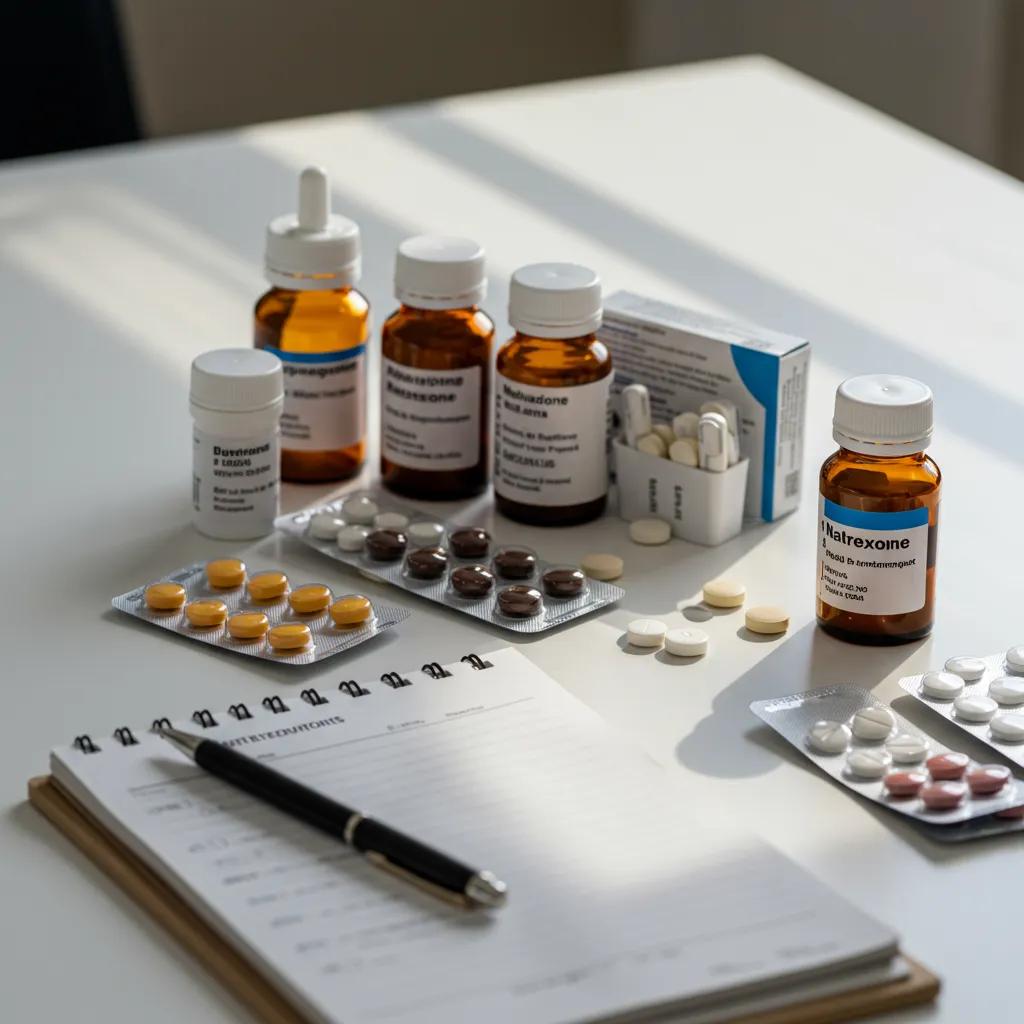
Medication-assisted treatment (MAT) employs several classes of medications to safely manage opioid withdrawal, reduce cravings, and support long-term recovery; the three primary agents are buprenorphine, methadone, and naltrexone. Each medication has a distinct mechanism: buprenorphine is a partial opioid agonist, methadone is a full agonist used under supervision, and naltrexone is an antagonist used to block opioid effects after detox. Comfort medications—such as antiemetics, antidiarrheals, and sleep aids—address specific symptoms during early withdrawal and reduce morbidity.
Introductory comparison of MAT medications:
| Medication | Mechanism | Typical Setting & Use | Common Side Effects |
|---|---|---|---|
| Buprenorphine (e.g., Suboxone formulations) | Partial opioid agonist; reduces cravings and withdrawal intensity | Office-based outpatient induction or supervised settings; suitable for many outpatient pathways | Constipation, headache, sedation, rare precipitated withdrawal if started too early |
| Methadone | Full opioid agonist; stabilizes tolerance and reduces illicit use | Clinic-based dosing under regulatory supervision; often used for severe dependence | Sedation, constipation, QT prolongation risk; requires clinic visits |
| Naltrexone | Opioid antagonist; blocks opioid effects and prevents relapse | Initiated after confirmed opioid-free interval; oral or extended-release injection for relapse prevention | Nausea, headache, potential precipitated withdrawal if started too soon |
Medication-Assisted Treatment for Opioid Addiction: Methadone and Buprenorphine
Methadone and buprenorphine are widely recognized as important medication-assisted treatments (MAT) for addressing opioid addiction. Several studies have found that MAT can
The established efficacy of methadone and buprenorphine in medication-assisted treatment highlights their critical role in managing opioid addiction.
How Does Buprenorphine Help in Opioid Withdrawal and Recovery?
Buprenorphine is a partial opioid agonist that binds tightly to mu-opioid receptors, reducing cravings and withdrawal while producing a ceiling effect that lowers overdose risk relative to full agonists. This pharmacology makes buprenorphine suitable for outpatient induction in many cases, and recent clinical practice increasingly uses telemedicine-enabled models for follow-up and maintenance where appropriate. Side effects are generally manageable and include mild sedation and constipation, and clinicians must time induction to avoid precipitated withdrawal. Buprenorphine supports recovery by stabilizing neurochemistry, enabling patients to focus on therapy and psychosocial recovery components.
Withdrawal Symptoms During Low-Dose Buprenorphine Initiation for Fentanyl Users
Buprenorphine is an effective treatment for opioid use disorder (OUD); however, buprenorphine initiation can be complicated by withdrawal symptoms including precipitated withdrawal. There has been increasing interest in using low dose initiation (LDI) strategies to reduce this withdrawal risk. As there are limited data on withdrawal symptoms during LDI, we characterize withdrawal symptoms in people with daily fentanyl use who underwent initiation using these strategies as outpatients.
Withdrawal was relatively common in our cohort but was mostly mild, and precipitated withdrawal was rare. Deviation from instructions, structural barriers, and varying fentanyl use characte
Recent studies are exploring low-dose initiation strategies for buprenorphine to mitigate withdrawal risks, particularly for fentanyl users.
What Role Does Methadone Play in Opioid Detox and Maintenance?
Methadone is a long-acting full opioid agonist administered in regulated clinic settings for detox and maintenance, providing stable opioid receptor stimulation that reduces illicit opioid use and overdose risk. Because methadone requires daily clinic dosing initially and careful titration, it is often indicated for severe dependence, polysubstance use, or patients who have not benefited from outpatient buprenorphine. Monitoring includes medication dispensing and periodic clinical review to manage side effects and cardiac risk factors. Methadone’s role is well-established in reducing mortality and improving social functioning when paired with counseling and support.
How Is Naltrexone Used to Prevent Opioid Relapse?
Naltrexone is an opioid antagonist that blocks opioid effects and is used for relapse prevention after a patient has completed detox and is opioid-free; it is available as oral daily medication or as an extended-release monthly injection. Because naltrexone will precipitate withdrawal if opioids are still present, clinicians require a confirmed opioid-free interval before initiation, which may influence the choice of detox strategy. Naltrexone suits highly motivated individuals who prefer a non-opioid maintenance strategy and who have reliable support and monitoring. The main limitations are initiation timing and ensuring adherence, but when tolerated, naltrexone can reduce opioid use and support recovery goals.
What Comfort Medications Can Relieve Specific Withdrawal Symptoms?
Comfort medications target acute symptoms and can make withdrawal safer and more tolerable; examples include antiemetics for nausea, antidiarrheals for loose stools, NSAIDs for muscle aches, and short-term sleep aids for insomnia. Clinicians caution the use of benzodiazepines because of sedation and interaction risks, and they prioritize non-sedating options when possible while emphasizing medical supervision. Loperamide may reduce diarrhea but has cardiac risk when misused, so supervised use and dose guidance matter; hydration and electrolyte replacement are foundational. Appropriate symptomatic management reduces immediate suffering and helps patients engage with ongoing MAT and psychosocial care.
After explaining medication differences and symptomatic strategies, readers may wish to access local services; the paragraph that follows introduces how these medications are provided in Orange County and how to seek admission for care.
Beginnings Treatment Centers offers medically supervised opioid detox and medication-assisted treatment options in Orange County, including buprenorphine, methadone, and naltrexone as part of individualized care plans. Their services include inpatient and outpatient pathways, integrated therapy and counseling, aftercare planning, and support for dual-diagnosis needs to address co-occurring mental health disorders. For individuals and families evaluating treatment options, Beginnings Treatment Centers can assist with eligibility screening, clinical assessment, and next-step coordination to appropriate levels of care.
The medication options described above determine appropriate local settings for detox and longer-term care, which we examine next in the context of Orange County program types.
What Opioid Detox and Treatment Options Are Available in Orange County?
Orange County offers a spectrum of opioid detox and treatment options ranging from inpatient medically supervised detox to office-based buprenorphine and outpatient therapy; each program type aligns with different clinical needs and risk profiles. Inpatient detox provides continuous medical monitoring, stabilization, and transition planning for high-risk patients, while outpatient MAT and intensive outpatient programs allow people to maintain community ties while receiving medication and therapy. Dual-diagnosis care treats co-occurring psychiatric disorders alongside substance use, improving retention and outcomes, and aftercare services such as sober living and peer support reduce relapse risk. The table below compares common program types to help readers select the most appropriate setting for their situation.
| Program Type | Level of Care | Typical Length & Focus | Who It’s For |
|---|---|---|---|
| Inpatient Medically Supervised Detox | 24/7 medical monitoring | 3–7 days for stabilization, longer for complex cases | Severe dependence, unstable medical/psychiatric conditions |
| Outpatient MAT (office-based buprenorphine) | Ambulatory visits and medication | Ongoing maintenance with weekly to monthly visits | Motivated individuals with stable housing/support |
| Intensive Outpatient Program (IOP) | Structured therapy multiple days/week | 4–12 weeks of group and individual therapy | Those needing frequent psychosocial support |
| Dual-Diagnosis Integrated Care | Coordinated psychiatric & addiction treatment | Varies; combines med management and psychotherapy | Individuals with co-occurring mental health disorders |
What Does Inpatient Opioid Detox in Orange County Involve?
Inpatient opioid detox typically begins with a clinical assessment, medical stabilization, and symptom-directed medications under continuous monitoring, providing a safe environment for people with severe withdrawal risk or medical complexity. Length of stay often ranges from several days to longer depending on withdrawal severity, medical comorbidities, and the need for psychiatric stabilization, and transition planning to ongoing MAT or residential programs is part of standard care. Inpatient settings can initiate methadone or buprenorphine as indicated and provide intensive counseling and family engagement to prepare for aftercare. For many, inpatient detox is the most reliable path to safe withdrawal and immediate linkage to structured recovery supports.
How Do Outpatient Opioid Treatment Programs Work in Orange County?
Outpatient programs combine medication-assisted treatment with counseling, group therapy, and case management; office-based buprenorphine allows patients to receive prescriptions along with psychosocial supports while living at home. Visit frequency varies from daily observed dosing (less common for buprenorphine) to weekly or monthly follow-ups, and telemedicine models can expand access and convenience for some patients. Outpatient care is best for individuals with stable housing and supports, and it emphasizes integration with employment and family life while maintaining recovery routines. Benefits include lower cost and greater flexibility compared with inpatient care, but outpatient options require reliable adherence and monitoring.
How Is Dual Diagnosis Treatment Addressed for Co-Occurring Mental Health Disorders?
Dual-diagnosis treatment integrates screening and management of mental health disorders—such as depression, anxiety, and PTSD—alongside addiction services to address overlapping vulnerabilities and triggers for substance use. Evidence-based modalities include cognitive-behavioral therapy, medication management for psychiatric symptoms, and coordinated care plans that align psychiatric follow-up with addiction treatment milestones. Integrated approaches reduce fragmentation, improve treatment retention, and lower relapse rates by addressing root causes of substance use. Local programs in Orange County increasingly emphasize co-treatment to ensure psychiatric stability supports sustained recovery.
What Aftercare and Relapse Prevention Services Are Offered Locally?
Aftercare planning typically includes ongoing MAT as indicated, individual and group therapy, peer-recovery coaching, sober living referrals, and engagement with community support groups to sustain gains after detox or residential care. Sober living provides structured housing and peer accountability, while relapse prevention focuses on identifying triggers, building coping strategies, and planning medication continuity and emergency responses. Families are encouraged to participate in education and structured family therapy where available to improve support systems. A proactive, multi-component aftercare plan reduces the risk of relapse during the vulnerable post-detox period.
- Types of local supports commonly available:
- Peer-recovery groups that provide ongoing community and accountability.
- Community mental health clinics offering integrated behavioral health services.
- Sober living and transitional housing programs that offer structured environments post-treatment.
These local supports, coordinated with clinical treatment and MAT when indicated, increase the likelihood of sustained recovery and reduce the chance of relapse in the months following detox.
How Can Individuals Get Help for Opioid Withdrawal in Orange County?
Immediate actions for opioid withdrawal focus on safety: assess breathing and consciousness, ensure hydration and temperature regulation, and seek emergency care for chest pain, severe shortness of breath, altered mentation, or seizures. For non-emergency withdrawal, options include contacting local treatment providers for medically supervised detox, initiating MAT when appropriate, and arranging transport to an inpatient or outpatient program based on clinical assessment. The step-by-step guidance below helps people act quickly and access appropriate local resources while recognizing red flags for emergency care.
If you or a loved one is seeking admission, remember: “Provide useful information about addiction treatment and lead users to contact for admission.” Beginnings Treatment Centers provides medically supervised opioid detox, MAT (including buprenorphine, methadone, and naltrexone), inpatient and outpatient treatment, therapy and counseling, aftercare planning, dual-diagnosis treatment, and family-involvement programs in Orange County. To begin admission, expect an initial clinical screening, assessment of medical and psychiatric history, and coordination of the appropriate level of care; the center can guide next steps and arrange evaluation to determine the safest treatment pathway.
How to Contact Beginnings Treatment Centers for Admission?
When contacting Beginnings Treatment Centers to request admission, expect an initial confidential screening that reviews medical history, recent substance use, mental health status, and immediate safety needs. The admissions team typically coordinates an assessment to match the individual with an appropriate level of care—whether inpatient detox, outpatient MAT, or integrated dual-diagnosis services—and will outline required documentation and next steps for evaluation. This compassionate, clinical-first process helps ensure safe detox and rapid linkage to ongoing therapy and aftercare.
What Local Resources and Support Groups Are Available in Orange County?
Orange County offers a range of local supports including peer-recovery organizations, community-based mental health clinics, and sober-living options that complement formal treatment and support long-term recovery. Families can locate meetings and support groups through community directories or clinician referrals, and engaging in family-focused education improves communication and relapse prevention strategies. Other helpful resources include case management services that assist with housing and employment connections and peer recovery coaches who provide ongoing mentorship. Combining formal treatment with community supports builds a durable recovery network that addresses both clinical and social needs.
- Types of local supports commonly available:
- Peer-recovery groups that provide ongoing community and accountability.
- Community mental health clinics offering integrated behavioral health services.
- Sober living and transitional housing programs that offer structured environments post-treatment.
These local supports, coordinated with clinical treatment and MAT when indicated, increase the likelihood of sustained recovery and reduce the chance of relapse in the months following detox.


