


Kratom Addiction Treatment: Understanding Risks, Withdrawal Symptoms, and Safe Recovery Steps
Kratom addiction occurs when repeated use of kratom — a botanical product containing psychoactive alkaloids — produces tolerance, cravings, and withdrawal that interfere with daily life. This article explains how kratom’s primary alkaloids interact with brain receptors to produce dependence, catalogs short- and long-term health risks, and maps a medically informed pathway from assessment through detox and continuing care.
Readers will learn the typical kratom withdrawal timeline, symptom clusters that require medical supervision, and evidence-based therapies that support recovery and co-occurring mental health treatment. Practical comparisons of levels of care, symptom management strategies, and authoritative resources are included to help clinicians, families, and people who use kratom make safer choices. Where appropriate, this guide also explains how a licensed treatment provider with accreditation and a full continuum of care can assist with medical detox, residential stabilization, partial hospitalization, and intensive outpatient programs.
What Is Kratom Addiction and How Does It Affect the Brain?
Kratom addiction is a substance use disorder driven by repeated exposure to kratom’s active alkaloids, which alter brain chemistry and produce both rewarding effects and physiologic dependence. Regular use changes receptor sensitivity and neural pathways involved in reward, stress response, and mood regulation, increasing tolerance and driving compulsive use despite harms. Understanding these mechanisms helps predict withdrawal risk and guides whether medical supervision is needed during cessation. The next subsections detail the key alkaloids involved and the receptor-level interactions that produce dependence and withdrawal.
What Are Mitragynine and 7-Hydroxymitragynine Alkaloids?
Mitragynine and 7-hydroxymitragynine are the two primary kratom alkaloids responsible for most psychoactive effects and dependence potential. Mitragynine is the more abundant alkaloid with partial agonist activity at opioid receptors and multiple effects on monoaminergic systems, while 7-hydroxymitragynine is substantially more potent at opioid receptors despite lower concentration. These differences explain why some formulations produce stronger sedation, analgesia, or respiratory risk and why potency varies widely among products. Quality control is poor in many unregulated products, so potency inconsistency and adulteration amplify both acute toxicity and long-term dependence risk.
How Does Kratom Bind to Opioid Receptors and Cause Dependence?
Kratom alkaloids interact with mu-opioid receptors and other receptor systems to produce analgesia and euphoria, and repeated activation triggers tolerance and physiologic adaptation. As receptors become less responsive, users escalate dose to achieve the same effects; neuronal adaptations also dysregulate stress and reward circuits, creating cravings and withdrawal when kratom use stops. Over time, cessation produces a predictable cluster of physical and psychological symptoms as the brain re-equilibrates, making medical assessment and a planned detox important for moderate-to-severe dependence. Clinically, receptor-level action implies that some symptom-targeted medications used for opioid-like withdrawal may ease acute distress under supervision.
What Are the Risks and Long-Term Effects of Kratom Use?
Kratom use carries a range of physical and psychological risks that depend on dose, product potency, and co-existing health conditions; high-potency products and adulterated formulations increase both short-term toxicity and long-term harms. Short-term adverse events reported in clinical series include gastrointestinal distress, dizziness, and in rare cases seizures or respiratory depression when combined with other depressants. Chronic heavy use is associated with weight loss, cognitive slowing, mood disturbances, and liver injury in case reports and surveillance data. The following table summarizes major health risks and the evidence supporting each association to help clinicians and patients prioritize monitoring and referral.
The table below summarizes primary physical and psychological risks linked to kratom exposure.
| Health Domain | Risk / Attribute | Evidence / Notes |
|---|---|---|
| Hepatic | Liver injury and elevated enzymes | Case reports and surveillance data indicate sporadic hepatotoxicity after prolonged use; clinicians should monitor LFTs |
| Neurologic | Seizures, tremor, cognitive slowing | Seizures reported in some exposure series, risk elevated with poly-substance use or adulterants |
| Respiratory | Risk with high-potency or combined depressants | Respiratory depression documented when kratom used with benzodiazepines or opioids |
| Psychiatric | Depression, anxiety, psychosis, mood instability | Clinical reports and case series note new or worsened mood disorders, especially with high doses or abrupt withdrawal |
This summary highlights that kratom’s risk profile spans organ toxicity, neurologic events, and psychiatric complications, underscoring the need for a comprehensive clinical assessment when dependence is suspected.
What Physical Health Risks Are Associated with Kratom Abuse?
Physical risks from kratom use include gastrointestinal symptoms, cardiovascular changes, liver enzyme abnormalities, and rare neurologic events; severity often correlates with dose and product adulteration. Nausea, constipation, and abdominal pain are commonly reported and may persist during chronic use, while isolated case reports document hepatotoxicity and seizure events prompting emergency care. Adulterated or concentrated extracts, especially products containing elevated 7-hydroxymitragynine, increase risk of overdose-like presentations and unpredictable side effects. Clinicians should evaluate baseline organ function, assess for co-ingestants, and monitor warning signs that require urgent intervention.
What Psychological and Mental Health Complications Can Kratom Cause?
Kratom use can precipitate or worsen mood and anxiety disorders, and in some cases contributes to psychotic symptoms, particularly at high doses or with prolonged use. Users commonly report increased irritability, insomnia, and low mood during withdrawal, while case literature describes new-onset psychosis and paranoia in susceptible individuals. Co-occurring substance use disorders and preexisting mental health conditions raise the likelihood of complex presentations that require integrated treatment. A coordinated dual-diagnosis approach improves safety and outcomes by treating both substance dependence and concurrent psychiatric conditions simultaneously.
Why Are 7-Hydroxymitragynine Products Particularly Dangerous?
7-hydroxymitragynine (7-OH) is a kratom metabolite and minor alkaloid that is markedly more potent at opioid receptors than mitragynine, raising the risk of stronger sedation, respiratory effects, and dependence. Recent public health reports and state surveillance (through 2025) have highlighted exposures linked to 7-OH–enriched products and concentrated extracts, prompting caution among clinicians. Potency variability means that even small dosing errors or mislabeled products can produce severe effects, especially when combined with CNS depressants. For safety, clinicians should consider any signs of opioid-type toxicity as a potential emergency and inquire specifically about high-potency formulations.
What Are the Common Kratom Withdrawal Symptoms and Timeline?
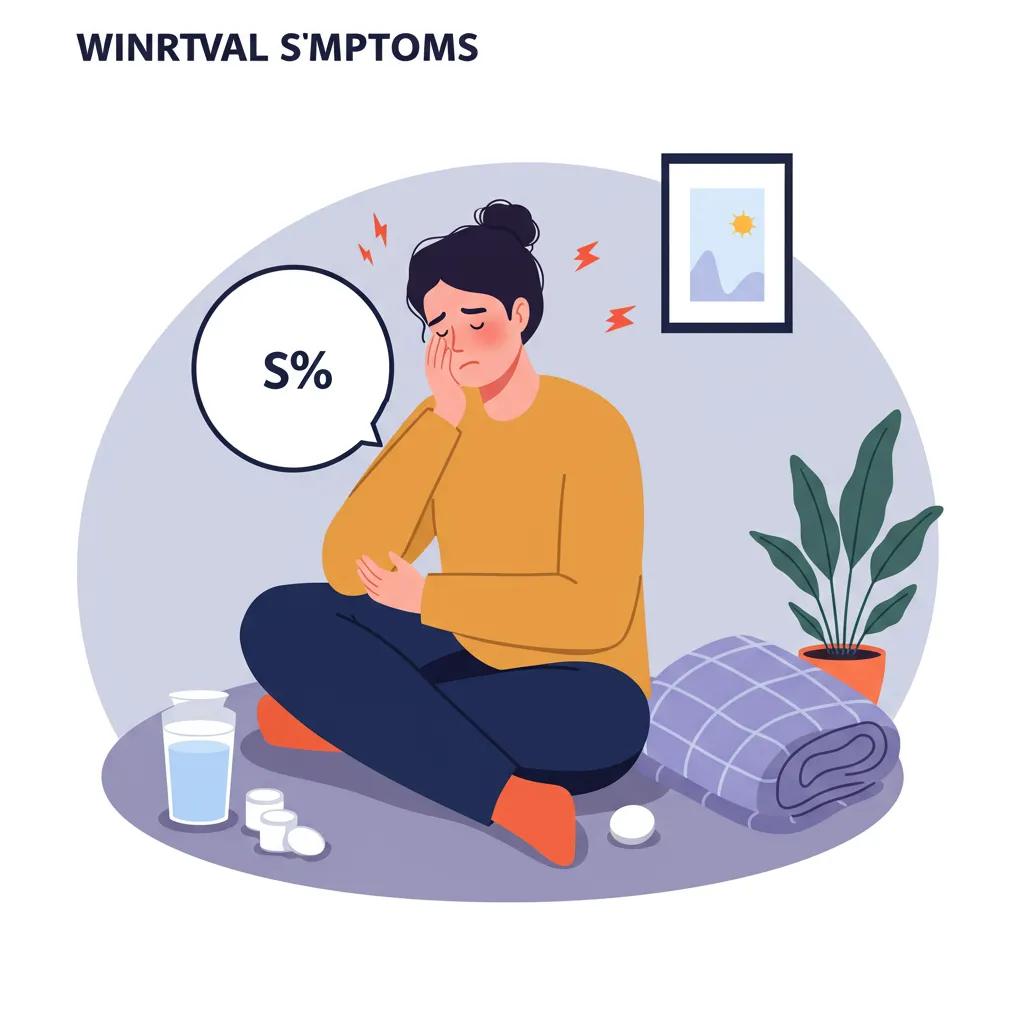
Kratom withdrawal typically presents with both physical and psychological symptom clusters that emerge within hours to days after cessation; understanding onset, peak, and resolution phases helps determine the need for medical detox versus outpatient support. Acute symptoms often begin within 12–48 hours, peak at 1–3 days for many users, and gradually resolve over a week to ten days, while protracted mood, sleep, and craving symptoms may persist for weeks or months. Certain factors—higher daily dose, long duration of use, co-occurring benzodiazepine or opioid use, and underlying psychiatric disorders—predict more severe or prolonged withdrawal. The following EAV table provides a clinician-friendly timeline to anticipate common symptoms and when escalation of care is warranted.
The table below outlines symptom clusters, typical onset, and expected duration to guide monitoring and treatment decisions.
| Symptom Cluster | Typical Onset | Typical Duration / Severity |
|---|---|---|
| Autonomic / Flu-like | 12–24 hours | Peaks 1–3 days; resolves 5–10 days (moderate) |
| Gastrointestinal | 12–48 hours | Acute: 3–7 days; subacute nausea may persist |
| Neuromuscular / Pain | 24–72 hours | Peaks 2–4 days; residual aches up to 2 weeks |
| Psychological (anxiety, insomnia, cravings) | 12–48 hours | Acute weeks; protracted mood symptoms possible months |
This timeline helps clinicians triage patients: those with severe autonomic instability, high medical comorbidity, or poly-substance use warrant consideration for medically supervised detoxification.
What Physical and Psychological Symptoms Occur During Kratom Withdrawal?
Physical withdrawal commonly includes nausea, vomiting, diarrhea, muscle aches, sweating, and autonomic instability, while psychological symptoms frequently feature anxiety, irritability, insomnia, depression, and intense drug cravings. Symptom severity ranges from mild discomfort managed by outpatient support to pronounced distress that impairs daily functioning, increases relapse risk, or precipitates medical complications such as dehydration. Symptom-targeted medications — for example antiemetics, nonsteroidal analgesics, or short-term clonidine for autonomic symptoms — can reduce acute distress under medical supervision. Recognizing severe or atypical symptoms (e.g., seizures, severe agitation, respiratory compromise) should trigger urgent evaluation.
How Long Does Kratom Detoxification Take?
Acute kratom detoxification commonly spans around 5–10 days from symptom onset to significant clinical improvement, though individual trajectories vary by dose, duration, and co-morbidities. The acute peak of symptoms most often occurs in the first 72 hours; many patients achieve substantial relief within one week with appropriate symptomatic care, hydration, and monitoring. A minority experience protracted symptoms including sleep disturbance, dysphoria, and cravings for several weeks to months, which are best managed with outpatient therapy and relapse prevention strategies. Clinical decisions about inpatient versus outpatient detox should consider withdrawal severity, medical/psychiatric comorbidity, social supports, and access to follow-up care.
What Are Safe and Effective Treatment Steps for Kratom Addiction?

Effective treatment for kratom addiction follows a stepped continuum beginning with medical assessment, proceeded by medically supervised detox for moderate–severe withdrawal risk, and followed by residential stabilization or structured outpatient care based on clinical needs. A standardized pathway improves safety and retention: thorough evaluation, medical detoxification when indicated, residential or PHP stabilization for those with higher psychosocial needs, and transition to IOP and outpatient therapy emphasizing relapse prevention and dual-diagnosis care. Below is a comparison table to help match level of care to patient needs and expected services. After the table, a brief description explains Beginnings Treatment Centers’ available programs and how to start the admission process.
| Level of Care | Typical Services Provided | Goals & When It’s Appropriate |
|---|---|---|
| Medical Detox | 24/7 medical monitoring, symptomatic meds, stabilization | For moderate–severe withdrawal risk or medical complications |
| Residential Treatment | Round-the-clock care, therapy groups, medical oversight | For high-intensity needs, unstable environment, co-occurring disorders |
| Partial Hospitalization (PHP) | Daytime medical/therapy services, medication management | Step-down from residential or high-need outpatient care |
| Intensive Outpatient (IOP) | Regular therapy groups, counseling, case management | For stable patients needing structured relapse prevention |
This comparison clarifies that care intensity is matched to withdrawal risk, psychiatric comorbidity, and social stability; next, practical clinical steps for each phase are summarized in a numbered list.
- Initial medical and psychiatric assessment to determine withdrawal risk and co-occurring disorders.
- Medically supervised detoxification when indicated, with symptom-targeted medications and 24/7 monitoring.
- Residential treatment for patients with severe dependence, unstable housing, or complex psychiatric needs.
- PHP or IOP as step-down care to build relapse prevention skills and continue psychiatric care.
- Aftercare planning including outpatient therapy, peer support, and medication management when appropriate.
These steps map a safe, evidence-based progression from acute management to sustained recovery, emphasizing that individualized planning improves long-term outcomes.
Beginnings Treatment Centers provides a full continuum of care in line with this pathway, offering medically supervised detoxification, residential programs, PHP, and IOP with integrated mental health services. The organization is Joint Commission accredited and serves clients nationwide from a base in Costa Mesa, California; clinicians and families can request an assessment and insurance verification to determine coverage and appropriate level of care. Admissions typically begin with a clinical evaluation to match severity to the recommended level of care and to coordinate transfer to the most suitable program.
How Does Medical Detoxification Manage Kratom Withdrawal Safely?
Medical detoxification begins with a focused assessment of vitals, fluid status, psychiatric risk, and co-ingestants, then implements symptom-targeted medications and monitoring to prevent complications. Typical supportive measures include antiemetics for nausea, analgesics for myalgia, hydration and electrolyte management, and adrenergic agents for severe autonomic symptoms when clinically indicated. Around-the-clock nursing and medical oversight allow rapid response to emerging complications such as seizures or respiratory depression, and facilitate a safe transition to residential or outpatient care. Clear transfer criteria and discharge planning minimize gaps in care that contribute to relapse.
What Residential and Outpatient Treatment Programs Are Available?
Residential programs provide a structured, substance-free environment with daily therapy, medical oversight, and skills training, while PHP and IOP offer progressively lower-intensity options that emphasize continued therapy and reintegration. Residential care is appropriate for individuals with severe dependence, unstable living situations, or pronounced psychiatric comorbidity; PHP is suitable for those needing intensive daytime services but safe housing, and IOP serves motivated patients who can maintain daily responsibilities with structured therapy several times per week. Matching program intensity to clinical need improves engagement and reduces readmission risk, and coordinated transitions between levels of care are central to durable recovery.
How Is Dual Diagnosis Treatment Integrated for Co-occurring Mental Health Disorders?
Integrated dual diagnosis treatment evaluates and treats substance use and psychiatric disorders concurrently through coordinated psychiatric care, stabilized medications, and psychotherapies tailored to both conditions. Screening for depression, PTSD, bipolar disorder, and anxiety informs a treatment plan that combines medication management with therapies like CBT, DBT, and trauma-focused interventions. A unified care team — including addiction specialists, psychiatrists, therapists, and case managers — ensures consistent goals and minimizes conflicting recommendations that can undermine recovery. Addressing trauma and mood disorders alongside kratom dependence reduces relapse triggers and supports long-term stability.
Which Therapy Modalities Support Kratom Addiction Recovery?
Multiple evidence-based therapies support recovery from kratom dependence by addressing cravings, skills deficits, and co-occurring emotional dysregulation. Cognitive Behavioral Therapy (CBT) targets maladaptive thoughts and builds coping strategies for triggers, Dialectical Behavior Therapy (DBT) enhances emotion regulation and distress tolerance, and Motivational Interviewing (MI) increases engagement and readiness for change. Group therapies and family education reinforce social support and practical relapse prevention skills, while medication-assisted strategies and psychiatric medications are considered when co-occurring disorders or severe symptoms are present. Combining modalities tailored to the individual yields the best outcomes for sustained recovery.
Why Choose Beginnings Treatment Centers for Kratom Addiction Treatment?
Beginnings Treatment Centers offers accredited, coordinated care for kratom dependence with an emphasis on personalized, evidence-based treatment and integrated mental health services. The center holds Joint Commission accreditation, provides a full continuum of care—including medically supervised detoxification, residential treatment, PHP, and IOP—and serves clients nationwide from its Costa Mesa, Southern California base. Clinical teams include experienced interventionists and treatment professionals who create individualized plans that address both substance dependence and co-occurring psychiatric conditions. Practical admission support such as insurance verification and clinical intake assessments helps families and patients navigate next steps and access appropriate levels of care.
What Unique Benefits Does Joint Commission Accreditation Provide?
Joint Commission accreditation signifies that a treatment organization meets defined standards for safety, clinical protocols, and continuous quality improvement, providing patients and families with an independent signal of care quality. Accreditation processes evaluate clinical outcomes, staffing qualifications, medication safety, and performance improvement activities, which in turn promote standardized care pathways and accountability. For patients with kratom dependence and complex medical or psychiatric needs, accreditation supports confidence that protocols for detox, medication management, and dual-diagnosis care follow recognized standards. This external validation complements clinical experience in reducing variability in care delivery.
How Does Personalized and Compassionate Care Improve Recovery Outcomes?
Personalized care tailors treatment intensity, therapeutic modalities, and aftercare planning to an individual’s substance use history, psychiatric profile, and social supports, which improves engagement and retention in treatment. A compassionate, trauma-informed approach strengthens the therapeutic alliance, reduces stigma, and encourages honest disclosure essential for accurate diagnosis and effective intervention. Involving family through education and structured support enhances relapse prevention and reintegration, while individualized relapse plans address specific triggers and coping strategies. These elements together produce better functional outcomes and lower rates of relapse.
How Can You Verify Insurance Coverage and Begin Admission?
To verify insurance and begin admission, most providers start with a clinical screening and benefits check to determine covered levels of care and any preauthorization requirements; having recent medical history and information about current medications expedites the process. An admission advisor or interventionist can coordinate prior authorization, recommend the appropriate level of care based on withdrawal risk and psychiatric needs, and schedule an intake assessment with clinicians. Beginnings Treatment Centers offers admission support and insurance verification to help families understand coverage options and next steps toward a timely clinical placement. If you are coordinating care for someone in crisis, contacting a trained admissions advisor expedites clinical evaluation and placement.
What Are the Latest Kratom Addiction Statistics and Resources for Support?
Current research and surveillance through 2025 estimate several million Americans have used kratom, with a subset reporting daily or near-daily use that elevates dependence risk; public health reports note growing attention to exposures involving high-potency products. Regulatory agencies and state health departments have issued warnings about variable potency and cases of severe toxicity, and clinicians should consult up-to-date FDA and state surveillance summaries when evaluating complex exposures. Authoritative resources such as SAMHSA, NIMH, and peer-reviewed literature offer clinical guidance on screening, dual-diagnosis management, and best practices for withdrawal management. The following list highlights key places to seek immediate help and reliable information.
- National behavioral health and substance use treatment directories and helplines for immediate referral assistance.
- Federal public-health agencies providing safety advisories and surveillance summaries about kratom exposures and product risks.
- Professional guidelines and peer-reviewed studies addressing withdrawal management, dual diagnosis, and levels of care.
These resources support clinicians and families seeking evidence-based guidance; after consulting authoritative sources, connecting with an accredited treatment provider can translate recommendations into a concrete plan for assessment and safe care.
Wherever you are in the process of deciding on care, an empathetic clinical assessment is the critical first step. For people and families ready to pursue formal treatment, Beginnings Treatment Centers offers accredited programs and admission support, including insurance verification and coordination of medically supervised detox and step-down care. An admissions advisor or interventionist associated with the program can discuss intake procedures, clinical matching to levels of care, and next steps for arranging a timely placement.
How Many Americans Use Kratom and What Are the Trends in 2025?
Estimates in 2025 place regular kratom users in the millions nationwide, with varied patterns ranging from occasional use for self-management of pain or mood to daily consumption associated with dependence. Use trends since 2020 show increased interest in kratom for self-treatment of pain and withdrawal from other substances, but also heightened surveillance for adverse events related to potent extracts. Demographic patterns indicate use across age groups with clustering in communities seeking alternative analgesia or self-managed withdrawal strategies. These trends underscore the importance of clinician awareness and accessible, evidence-based treatment options.
What Official Warnings and Research Should You Know About?
Regulatory agencies and state health departments have released advisories about product variability, reports of severe toxicity, and exposures linked to concentrated alkaloid products; clinicians should review current FDA and state summaries for the latest safety communications. Peer-reviewed research through 2025 has explored kratom’s pharmacology, dependence potential, and clinical management strategies, emphasizing the need for controlled studies and standardized detox protocols. Staying current with these publications helps clinicians distinguish between typical withdrawal, complex poly-substance presentations, and rare toxic events that require urgent care.
Where Can You Find Additional Help and Educational Resources?
For immediate assistance and reliable information, reach out to national behavioral health hotlines, consult federal public-health advisories, and review professional literature on kratom pharmacology and withdrawal management. Local accredited treatment centers and dual-diagnosis programs are essential resources for coordinated evaluation and care planning, and downloadable tools such as withdrawal timelines or preparation checklists can help families and patients plan for safe transitions. After reviewing these resources, many families find that contacting an accredited provider for an intake assessment and insurance verification clarifies the most appropriate next steps.
The resources above can guide decision-making; if you or a loved one needs an assessment, a trained admissions advisor or interventionist can arrange clinical evaluation and discuss treatment options. Beginnings Treatment Centers provides that support with accredited programs and a full continuum of care for kratom dependence, offering coordinated admissions and insurance verification to begin individualized treatment planning.


