


Is Relapse a Part of Recovery?
Recovery from drug or alcohol addiction is a lifelong process. Many people who begin this journey wonder if relapse is a normal part of recovery. While the goal is always to maintain sobriety, relapse can happen. Understanding why relapse occurs, how to respond to it, and how to prevent it is an important part of the recovery process.
At Beginnings Treatment in Orange County, we help clients see relapse not as failure but as a signal that more support, skills, or treatment may be needed. By approaching it this way, individuals can learn from setbacks and build a stronger path toward lasting recovery.
Understanding Relapse in Recovery
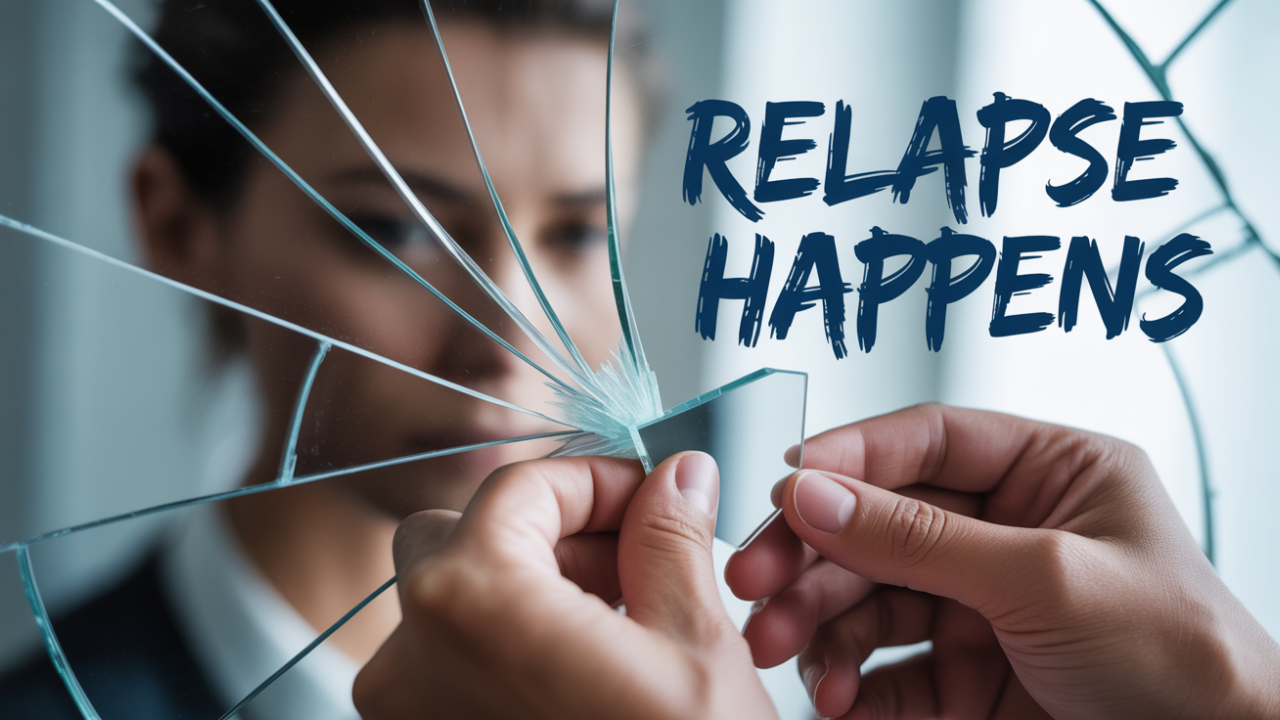
Relapse happens when someone who has been sober returns to alcohol or drug use. It can occur days, months, or even years after starting recovery. While it may feel discouraging, relapse is common in addiction recovery.
Addiction is a chronic condition that affects the brain’s reward system, decision-making, and impulse control. Even after treatment, stress, triggers, and cravings can lead to relapse. According to research, relapse rates for addiction are similar to those for other chronic illnesses like diabetes or hypertension. This means that, while relapse is not inevitable, it is not unusual.
Why Relapse Happens
Relapse can be triggered by many factors. Common causes include:
Unmanaged Stress – High stress levels can push a person back toward old coping habits.
Exposure to Triggers – Being around people, places, or situations tied to substance use can spark cravings.
Untreated Mental Health Conditions – Anxiety, depression, or trauma can make it harder to stay sober.
Overconfidence – Believing you are “cured” and letting go of healthy routines can weaken recovery.
Lack of Support – Isolation and lack of accountability can leave a person vulnerable.
By identifying personal triggers early, individuals can take action before a slip turns into a full relapse.

The Three Stages of Relapse
Relapse is often a process rather than a single event. Many people go through three stages before using substances again:
Emotional Relapse – You are not actively thinking about using, but your emotions and behaviors set the stage for relapse. Signs include poor self-care, isolation, and bottling up feelings.
Mental Relapse – You start thinking about using again. You may remember the “good times” of past use while ignoring the consequences. This stage can involve bargaining, fantasizing, or seeking opportunities to relapse.
Physical Relapse – This is the point where you use drugs or alcohol again.
Recognizing the earlier stages can help prevent the physical act of relapse.
Is Relapse a Failure?
Relapse is not a sign of moral weakness or total failure. It simply means that your recovery plan needs adjusting. Some people may need more therapy, stronger coping skills, or a different level of care.
At Beginnings Treatment, we view relapse as a learning opportunity. We work with clients to analyze what led to the relapse, develop stronger prevention strategies, and rebuild confidence. This approach keeps relapse from spiraling into long-term substance use.
The Role of Relapse in Recovery
While relapse should never be a goal, it can be part of the overall recovery journey. For many people, relapse teaches important lessons:
Which triggers are the most dangerous
Which coping skills work best in stressful moments
Why ongoing treatment and support are important
How to reach out for help before a crisis happens
By learning from relapse, individuals can strengthen their recovery and avoid future setbacks.
How to Respond After a Relapse
If relapse happens, quick action can prevent it from turning into a full return to substance use. Steps to take include:
Reach Out for Support Immediately – Contact a sponsor, therapist, or treatment center.
Avoid Shame and Guilt Spirals – Negative self-talk can make it harder to get back on track.
Identify the Cause – Work with a counselor to understand what led to the relapse.
Adjust Your Recovery Plan – Add new coping tools, support groups, or therapy sessions.
Consider Higher Levels of Care – If outpatient care is not enough, partial hospitalization or residential treatment may help.
Preventing Relapse
Relapse prevention involves building a lifestyle that supports sobriety. Helpful strategies include:
Regular Therapy – Ongoing therapy provides a safe space to work through stress and emotions.
Strong Support Network – Surround yourself with people who support your recovery goals.
Healthy Daily Routines – Exercise, balanced nutrition, and proper sleep improve mental health.
Mindfulness and Stress Management – Practices like meditation, yoga, or journaling help reduce stress.
Attending Support Groups – Meetings such as AA, NA, or SMART Recovery provide accountability.
Treatment Options After Relapse
If relapse occurs, you may need to return to treatment. Options include:
Medical Detox – Safely removing substances from your body under medical supervision.
Residential Treatment – Living in a structured, supportive environment.
Partial Hospitalization Programs (PHP) – Intensive treatment during the day while living at home or in sober housing.
Intensive Outpatient Programs (IOP) – Flexible treatment that fits around work or family life.
Dual Diagnosis Treatment – Addressing both addiction and co-occurring mental health conditions.
At Beginnings Treatment in Orange County, we offer all levels of care and create personalized plans to help clients rebuild after relapse.
Long-Term Recovery Mindset
Recovery is not a straight path. There may be ups and downs, but each step forward counts. Adopting a long-term mindset helps reduce the pressure to be “perfect” and instead focuses on consistent progress.
It is also important to remember that recovery is more than avoiding substances—it’s about building a meaningful life. This includes repairing relationships, pursuing personal goals, and finding purpose.
When to Seek Help
If you or a loved one has experienced a relapse, it’s important to seek help immediately. Waiting too long can make it harder to return to sobriety. Professional treatment offers the tools, structure, and support needed to break the cycle and get back on track.
Final Thoughts
So, is relapse a part of recovery? While it is not inevitable, relapse can happen and may be a step in the overall journey for some people. What matters most is how you respond. With the right support, relapse can lead to deeper self-awareness and a stronger commitment to sobriety.
At Beginnings Treatment, we provide compassionate, evidence-based care to help individuals recover from addiction and build lasting change. If you or someone you love has experienced a relapse, our team is here to help you regain stability and move forward.
If you’re ready to take the next step after relapse, contact Beginnings Treatment in Orange County today.
Frequently Asked Questions
1. Is relapse common during addiction recovery?
Yes. Relapse is common because addiction is a chronic condition that affects brain function and behavior. Many people experience relapse at some point, especially in the early stages of recovery. With the right support, relapse can be managed, and long-term sobriety is still possible.
2. Does a relapse mean treatment has failed?
No. A relapse does not mean treatment has failed. It signals that your recovery plan may need adjustments. You may benefit from more therapy, additional coping strategies, or a different level of care. Recovery is a process, and setbacks can be part of learning what works best for you.
3. How can I prevent relapse in the future?
Prevention starts with recognizing triggers and building strong coping skills. Attending therapy, joining support groups, maintaining healthy routines, and staying connected to a sober network can help reduce the risk of relapse. Mindfulness practices and stress management tools can also be valuable.
4. What should I do right after a relapse?
If relapse happens, reach out for help immediately. Contact a sponsor, counselor, or treatment center. Avoid isolating yourself or letting guilt take over. Identify what led to the relapse and work with professionals to adjust your recovery plan. Acting quickly can help you regain stability.


