


Is LSD Addictive: Understanding Dependence, Psychological Addiction, and Mental Health Risks
LSD is a powerful hallucinogen that raises an important question: is LSD addictive, and how does that risk differ from other substances that cause physical dependence? This article explains the distinction between physical dependence and psychological addiction, describes how LSD affects the brain, outlines acute and long-term mental health risks such as drug-induced psychosis and HPPD, and presents practical guidance for recognizing when use becomes problematic. Readers will learn how tolerance develops with repeated LSD exposure, what behavioral signs indicate psychological dependence, and which evidence-based treatments and support strategies are appropriate for people experiencing persistent symptoms.
The article also maps family-facing steps for encouraging treatment, describes dual-diagnosis care for co-occurring psychiatric disorders, and explains how Beginnings Treatment Centers approaches admission for individuals in need. By the end, you should be able to tell when LSD use requires professional assessment and understand practical next steps for care and stabilization.
What Is LSD and How Does It Affect the Brain?
LSD (lysergic acid diethylamide) is a classic serotonergic hallucinogen that profoundly alters perception, mood, and cognition by acting as an agonist at serotonin receptors. Its primary mechanism—strong stimulation of 5-HT2A receptors—changes sensory gating and cortical signaling, producing the perceptual distortions and altered thought patterns known as a “trip.”
Acute physiological effects often include sympathetic activation (increased heart rate and blood pressure), while psychological effects range from euphoria and insight to anxiety and panic during difficult experiences. Understanding this pharmacology clarifies why LSD can provoke acute psychiatric symptoms in vulnerable people and why its long-term risks center on perception and mood rather than classic physical withdrawal. These neurobiological facts lead directly into a brief history and the core acute effects experienced during LSD use.
What Is LSD and Its Role as a Hallucinogen?
LSD is a synthetic compound historically used both recreationally and in research settings for its capacity to induce profound changes in sensory perception and thought. It belongs to the hallucinogen class and has been legally classified as a controlled substance in many jurisdictions, which affects availability and research context. Typical acute subjective effects include visual distortions, altered time perception, synesthesia, and introspective or mystical-type experiences that can be positive or highly distressing depending on set and setting. Prevalence trends show episodic use in certain populations, and recent surveillance highlights occasional spikes in emergency room visits tied to high-dose or polydrug exposures. Recognizing common acute effects sets the stage for understanding how receptor interactions produce those subjective changes.
LSD and Cannabis: Drugs of Dependence with Psychic Dependence
The hallucinogens mainly represented by LSD and cannabis have recently assumed great importance as drugs of dependence. These are also characterized by psychic dependence
How Does LSD Interact with Serotonin Receptors?
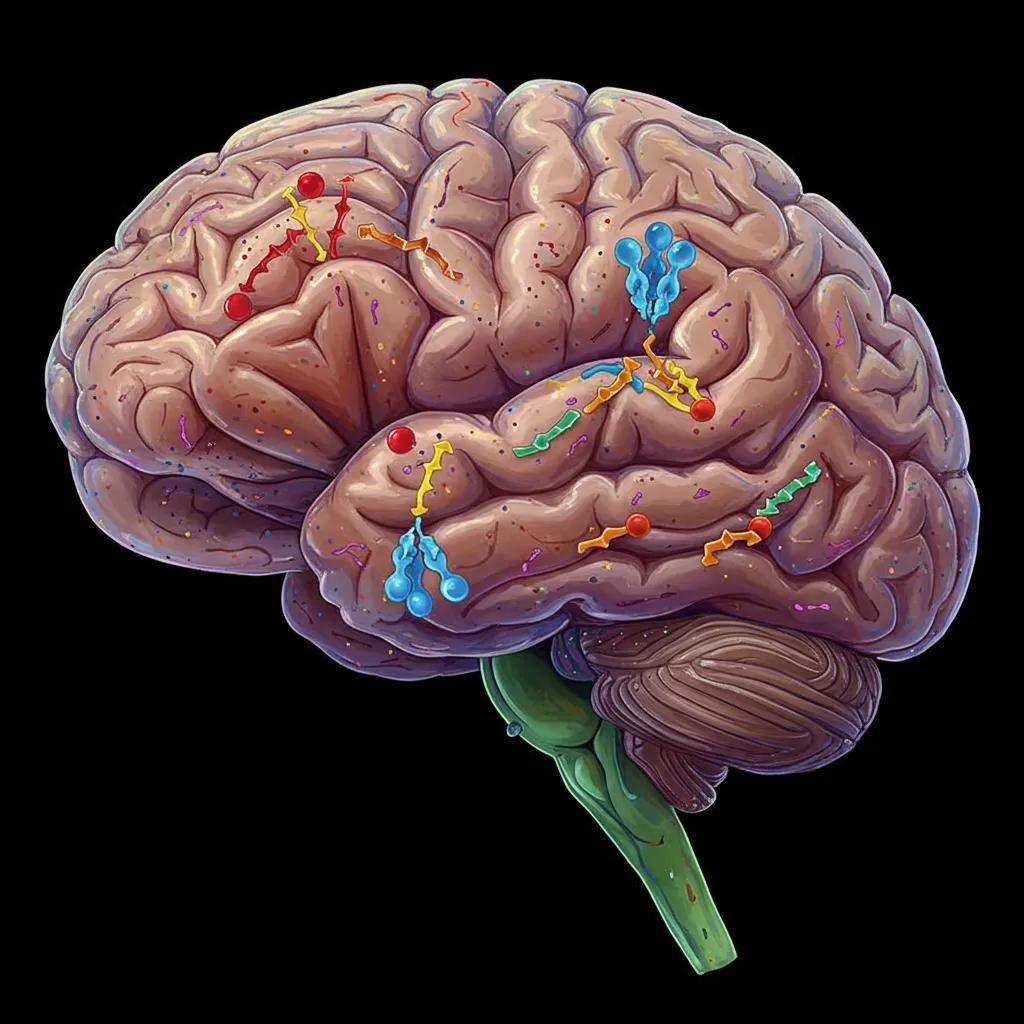
LSD produces its characteristic effects primarily through agonism at the 5-HT2A serotonin receptor, which alters cortical excitability and thalamocortical filtering of sensory information. This receptor activation increases glutamatergic signaling in prefrontal circuits, disrupting ordinary integration of sensory inputs and internal models of the world, which explains hallucinations and altered meaning attribution. The drug’s interaction with multiple serotonin receptor subtypes also contributes to mood shifts and autonomic effects, tying the pharmacology directly to both perceptual and affective outcomes. Appreciating these mechanisms helps explain why individuals with underlying vulnerability to psychosis or mood disorders may face elevated risk when exposed to LSD.
Is LSD Physically Addictive or Psychologically Dependent?
Directly: LSD rarely produces physical dependence in the way opioids or alcohol do, but psychological dependence and compulsive patterns of use can occur in some individuals. Physical dependence typically involves a predictable withdrawal syndrome mediated by homeostatic receptor changes; LSD’s acute tolerance profile and lack of classic withdrawal symptoms distinguish it from substances that produce strong physiological dependence.
Psychological dependence involves persistent craving, preoccupation with obtaining effects, and continued use despite negative consequences, which can impair functioning and prompt co-occurring mood or anxiety disorders. Clinicians evaluate these patterns through behavioral criteria—loss of control, functional impairment, and compulsive use—which are central to diagnosing substance use disorders driven by psychological addiction. The next subsection compares LSD directly to commonly addictive substances to clarify these differences.
| Substance Category | Physical Withdrawal | Psychological Craving/Compulsion |
|---|---|---|
| LSD (hallucinogen) | Typically absent; no classic withdrawal syndrome | Possible; craving and preoccupation can appear in susceptible users |
| Opioids | Prominent, well-characterized withdrawal (autonomic, flu-like) | Strong craving and compulsive use common |
| Alcohol | Clear withdrawal (seizure, delirium tremens in severe cases) | Psychological dependence and compulsive use documented |
This table clarifies why LSD is categorized differently from substances that provoke robust physiological withdrawal, highlighting the central role of psychological patterns in LSD-related problems. Understanding that distinction informs appropriate treatment pathways centered on behavioral and psychiatric interventions rather than detox-focused medical withdrawal management.
What Is the Difference Between Physical Dependence and Psychological Addiction to LSD?
Physical dependence is a neuroadaptation where abrupt cessation produces measurable withdrawal signs, while psychological addiction is characterized by compulsive use, intense preoccupation, and continued use despite harm. With LSD, repeated exposure produces rapid tolerance—reducing effect with closely spaced doses—rather than a withdrawal syndrome that drives continued use to avoid physical symptoms. Psychological addiction centers on reinforcement of drug-related behaviors and coping strategies that prioritize the drug experience over responsibilities, relationships, or safety. Clinicians distinguish these by assessing symptom clusters and by asking whether stopping use provokes physiological withdrawal signs or primarily psychological distress and cravings.
How Does LSD Tolerance Develop and Affect Use Patterns?
Tolerance to LSD develops quickly with repeated dosing over short intervals, often requiring days to weeks of abstinence for sensitivity to return; this pharmacodynamic tolerance reduces subjective effects and can encourage dose escalation or more frequent use in search of the desired experience. Rapid tolerance is mediated by receptor-level adaptations, including downregulation or desensitization of 5-HT2A signaling pathways, which in turn alters the risk landscape—users may take larger or additional substances, increasing risk of adverse psychiatric events and unsafe behavior.
Behaviorally, tolerance can shift patterns from infrequent exploratory trips to more routine or compulsive use, particularly when paired with underlying mood or anxiety disorders that make the drug’s effects rewarding. Those patterns often require psychosocial interventions focused on relapse prevention and coping skills.
Tolerance to LSD: Psychedelic, Somatic, and Behavioral Effects in Humans and Animals
We review the literature on tolerance to LSD with regard to its psychedelic and somatic effects in humans, as well as selected behaviors in animals. In humans, mental tolerance to LSD
What Are the Mental Health Risks Associated with LSD Use?

LSD carries several acute and long-term mental health risks, including transient or prolonged psychosis, exacerbation of underlying mood or anxiety disorders, and persistent perceptual disturbances such as hallucinogen persisting perception disorder (HPPD). Risk factors that increase the chance of severe psychiatric outcomes include a personal or family history of psychotic disorders, high-dose exposure, and use in uncontrolled environments. Emergency outcomes can include panic episodes, dangerous behavior, or prolonged psychotic states that require stabilization and psychiatric assessment. Recognizing these risks early—especially when perceptual disturbances persist beyond the expected acute period—guides decisions about urgent evaluation and longer-term psychiatric care.
| Condition | Typical Symptoms | Onset/Management |
|---|---|---|
| Drug-induced psychosis | Delusions, hallucinations, disorganized thinking | Often acute after exposure; requires psychiatric assessment and possible short-term antipsychotic treatment and observation |
| Hallucinogen Persisting Perception Disorder (HPPD) | Visual snow, trailing images, intensified after-images | Can onset days to weeks after use; management includes reassurance, symptom-directed medication, and specialist referral |
| Persistent anxiety or depression | Ongoing panic, social withdrawal, low mood | May emerge or worsen after use; treat with psychotherapy, psychiatric evaluation, and integrated care |
This EAV-style table helps clinicians and families differentiate between conditions and choose appropriate next steps, emphasizing timely psychiatric assessment when symptoms persist or worsen. Understanding these distinctions supports targeted treatment planning and reduces the risk of prolonged disability.
How Does LSD Cause Psychosis and Other Severe Mental Health Conditions?
LSD can precipitate a drug-induced psychotic episode by profoundly disrupting serotonergic and cortical signaling, triggering hallucinations, delusional thinking, or severe dissociation in susceptible individuals. People with an existing vulnerability—such as a family history of schizophrenia or a prior psychotic episode—are at higher risk of prolonged psychosis following hallucinogen exposure. Clinical presentation often requires distinguishing drug-induced symptoms from a first-onset primary psychotic disorder, a determination that influences prognosis and treatment. Immediate management commonly includes ensuring safety, providing a low-stimulation environment, and seeking psychiatric assessment for symptom stabilization and follow-up planning.
What Are LSD Flashbacks and Hallucinogen Persisting Perception Disorder?
Flashbacks are brief, spontaneous recurrences of certain elements of a prior LSD experience, whereas HPPD is a clinically significant persistence of perceptual disturbances that interfere with functioning. Flashbacks are usually transient and benign, often triggered by stress, fatigue, or subsequent substance use, and they resolve without formal treatment in many cases. HPPD involves ongoing visual symptoms—like trailing images or static—that last for months or longer and may require specialist interventions including symptom-oriented medications and psychotherapy. Differentiating benign flashbacks from HPPD hinges on duration, impact on daily life, and whether symptoms persist beyond expected recovery timelines.
LSD and HPPD: Understanding Persistent Psychological Harms and Neuropsychological Effects
Classic psychedelics like LSD and psilocybin are showing promising effects in treating certain psychiatric disorders. Despite their low toxicity and lack of an addictive potential, in some individuals, psychedelics can be associated with persisting psychological harms.
Hallucinogen Persisting Perception Disorder (HPPD) is one of those complications, a rare disorder characterized by enduring perceptual symptoms without impaired reality control. While the phenomenological aspects of HPPD have been characterized, the neuropsychological consequences have remained understudied. This study probes the neuropsychological profiles of eight individuals with HPPD, utilizing a comprehensive test battery.
Performance is benchmarked against normative data and compared with two control groups, each comprising eight matched subjects—with and without prior psychedelic use. The assessment of individual performances revealed below average results in tests of visual memory and executive function in some subjects. No significant differences were observed in alpha-adjusted comparisons with controls, whereas unadjusted analyses were suggestive of impaired executive functions among HPPD patients. Together, these preliminary results underline the need for further focused research into the neuropsychological dimensions of HPPD.
How Can You Recognize Signs of LSD Abuse and Psychological Addiction?
Identifying when LSD use has become problematic begins with observing behavioral, social, and psychological changes that indicate functional impairment or increasing compulsivity. Key red flags include escalating frequency or dose, preoccupation with planning or obtaining trips, neglect of responsibilities, and repeated risky behaviors while under the influence. Psychological signs—persistent craving, worsening anxiety or mood instability tied to use, and using LSD to cope with stress rather than addressing underlying issues—also signal growing dependence. Early recognition supports timely assessment and connects individuals to appropriate integrated treatment, which can reduce the risk of acute psychiatric crises.
- Escalation of use: Increasing frequency or higher doses despite diminishing returns.
- Functional impairment: Declining work or academic performance, missed obligations, or social withdrawal.
- Risk-taking behavior: Driving while under influence, unsafe sexual behavior, or combining substances in hazardous ways.
What Behavioral and Social Signs Indicate LSD Abuse?
Behavioral signs of problematic LSD use often include preoccupation with obtaining the substance, spending excessive time planning experiences, and showing diminished interest in previously enjoyed activities. Socially, the individual may withdraw from family and friends, display irritability or secrecy, and experience recurrent interpersonal conflicts tied to use. Occupational and academic decline—missed deadlines, absenteeism, or decreased performance—are common when substance use becomes central to daily functioning. Recognizing these signs enables early conversations about seeking assessment and helps families prepare for supportive, non-confrontational interventions.
When Should You Seek Help for LSD Abuse?
Seek immediate professional evaluation if someone experiences prolonged psychosis, persistent visual disturbances consistent with HPPD, suicidal ideation, or behaviors that place them or others at immediate risk. For non-emergent but serious concerns—recurrent problematic use, impaired functioning, or co-occurring mood or anxiety disorders—contacting an addiction treatment program or mental health provider for assessment is advisable. Families can initiate help by documenting observable behaviors, expressing concern calmly, and offering support for assessment and treatment engagement. Early intervention improves outcomes and reduces the likelihood of recurrent crises or chronic psychiatric disability.
What Treatment Options Are Available for LSD Abuse and Co-occurring Mental Health Disorders?
Treatment for LSD-related problems centers on psychotherapy, integrated dual-diagnosis care for co-occurring psychiatric conditions, and targeted symptom management when necessary. Psychotherapies such as cognitive behavioral therapy (CBT) and motivational interviewing address maladaptive thought patterns, coping skills, and motivation for change, while trauma-informed approaches and DBT can be crucial when emotional regulation or trauma histories are present. Medication management may be used selectively to stabilize acute psychosis, manage severe anxiety, or treat persistent mood disorders that co-occur with substance-related problems. Coordinated care that addresses both the substance-related behavior and underlying psychiatric illnesses typically yields the best outcomes.
| Therapy / Intervention | Goal / Mechanism | Expected Outcome / Evidence |
|---|---|---|
| Cognitive Behavioral Therapy (CBT) | Restructure maladaptive thoughts and teach coping strategies | Reduced craving, improved relapse prevention skills; broad evidence across SUDs |
| Dialectical Behavior Therapy (DBT) | Improve emotion regulation and distress tolerance | Better management of impulsivity and mood instability; useful for dual-diagnosis cases |
| Motivational Interviewing (MI) | Enhance readiness to change through collaborative conversation | Increased engagement in treatment and higher retention rates |
| Medication Management | Stabilize acute psychiatric symptoms (antipsychotics, anxiolytics) | Symptom control enabling psychotherapy and safer recovery |
This table illustrates how therapies map to specific mechanisms and pragmatic outcomes, helping clinicians tailor integrated programs for LSD-related presentations. Choosing modalities depends on symptom profile, co-occurring disorders, and individual readiness for change.
Beginnings Treatment Centers provides comprehensive addiction treatment services with a focus on dual-diagnosis care that addresses both substance use and co-occurring mental health disorders. The site’s guiding objective is to “provide useful information about addiction treatment and lead users to contact for admission.” Beginnings’ approach emphasizes expert-led, compassionate care, combining psychotherapy modalities and coordinated psychiatric support to stabilize acute symptoms like psychosis or HPPD and to build relapse-prevention skills. For people and families seeking an admission pathway, Beginnings offers program navigation and assessment to match clinical needs with appropriate levels of care while prioritizing safety and integrated treatment planning.
Which Therapies Are Effective for LSD Psychological Addiction?
For psychological addiction to LSD, CBT is a cornerstone therapy that helps patients identify triggers, challenge distorted beliefs about substance use, and build concrete relapse-prevention plans. Motivational interviewing supports ambivalent individuals by strengthening intrinsic motivation to change, making engagement in longer-term therapy more likely. Relapse prevention training and skills-based approaches—covering coping, distress tolerance, and social support mobilization—reduce the chance of repeated high-risk exposures. These therapies are most effective when delivered within a comprehensive care plan that includes psychiatric evaluation for co-occurring conditions and ongoing monitoring.
Why Is Dual Diagnosis Treatment Important for LSD Users?
Dual diagnosis treatment is essential when LSD-related problems occur alongside mood, anxiety, or psychotic disorders because addressing one without the other often leaves triggers and vulnerabilities unresolved. Integrated care—where addiction therapists and psychiatric providers collaborate—ensures coordinated medication management, psychotherapy selection, and relapse-prevention strategies tailored to the whole person. Outcomes improve when clinicians treat both the substance-related behaviors and the underlying psychiatric drivers, leading to reduced relapse rates and better functional recovery. This integrated approach informs practical program design for people whose LSD use has unmasked or worsened mental health conditions.
How Does Beginnings Treatment Centers Support Recovery from LSD Addiction and Mental Health Risks?
Beginnings Treatment Centers offers compassionate, expert-led programs designed to address both substance use challenges and co-occurring psychiatric conditions through integrated care models. Their services emphasize dual-diagnosis competency, combining evidence-based psychotherapies with psychiatric assessment and symptom management to stabilize acute presentations such as LSD-induced psychosis or persistent perceptual disturbances. Families can expect coordinated care planning, education about symptoms like HPPD, and involvement in treatment decisions where appropriate to support long-term recovery. The facility positions itself as an information hub and admission facilitator, guiding individuals and families toward appropriate levels of care based on clinical assessment.
Beginnings’ program components typically include structured assessment, individualized treatment planning, group and individual therapies, and family support resources that address both addiction and mental health needs. The center highlights compassionate, expert-led care and works to facilitate admission pathways for those ready to engage in treatment, with staff focusing on safety, stabilization, and learning practical skills for relapse prevention. The raw content intent—provide useful information about addiction treatment and lead users to contact for admission—serves as the guiding objective for how Beginnings presents program options and next steps to prospective patients and families.
What Specialized Programs Does Beginnings Offer for LSD Abuse?
Beginnings Treatment Centers provides a spectrum of services that match clinical acuity, including assessment-driven placement into higher-intensity programs for acute psychiatric stabilization and outpatient or continuing care for longer-term recovery work. Program elements emphasize evidence-based therapies, dual-diagnosis coordination between therapists and psychiatric clinicians, and family-involvement models to support reintegration. While clinical details are tailored to each individual during intake, the overarching approach targets symptom stabilization (for psychosis or severe anxiety), management of persistent perceptual disturbances, and skill-building to prevent relapse. This structure ensures treatment plans are responsive to LSD-specific risks and co-occurring mental health conditions.
How Can Families Support Loved Ones Through LSD Recovery?
Families play a critical role by offering safety, monitoring symptoms, and facilitating access to professional assessment when needed; practical support includes documenting concerning behaviors, maintaining calm and nonjudgmental communication, and helping coordinate evaluation and treatment appointments. Safety planning—removing access to means of harm, creating a low-stimulation environment during acute episodes, and knowing when to seek emergency care—reduces immediate risk. Emotional support and involvement in family therapy can improve engagement and outcomes, while caregiver self-care and access to support groups help families sustain their ability to help. These actions strengthen the social network that supports recovery and reduce the likelihood of relapse.
- Document and share observations: Record specific behaviors and episodes to present at clinical assessment.
- Prioritize safety and stabilization: Create a calm environment during acute distress and seek emergency help for dangerous symptoms.
- Engage in structured family support: Participate in family therapy and education to sustain recovery and reduce relapse risk.
Families that follow these steps often increase the chances of successful engagement in treatment and better long-term outcomes for their loved ones.


